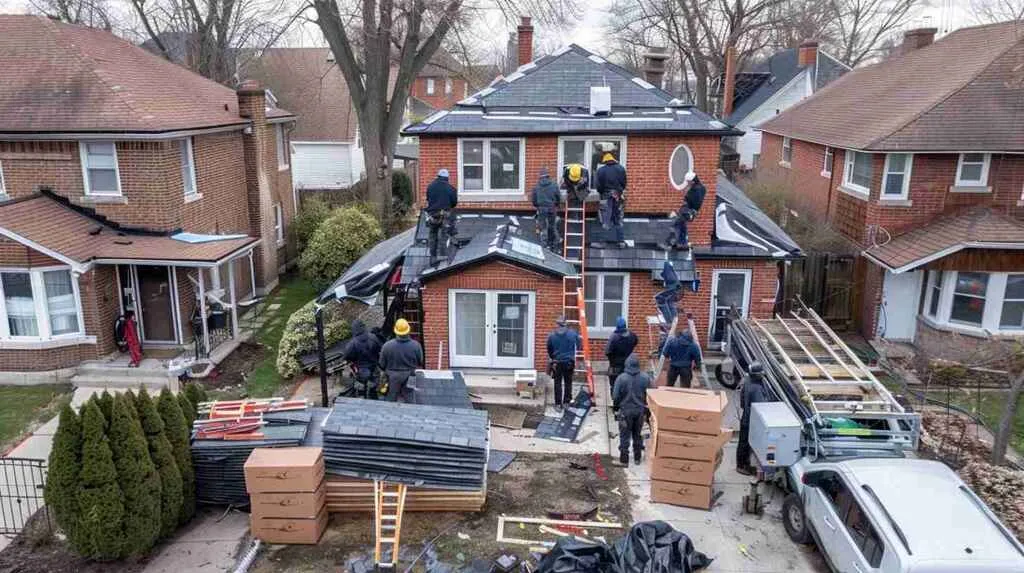
Rhythm isn’t just a music thing-it’s the whole reason a wood shingle roof in Queens either looks calm and lasts thirty years or starts looking crooked and leaking by year five. Most “pretty” cedar roofs fail early not because the wood is weak, but because someone rushed the nailing, ignored how wood moves through our brutal NYC heat-humidity-freeze cycle, and treated spacing like a rough guess instead of the precise pattern it needs to be. At Shingle Masters, wood shingle roof installation means laying each course like measures in a score-consistent exposure, careful tempo in the water runoff, and respect for the fact that Queens weather will test every single fastener and gap.
Rhythm, Not Rush: How I Approach Wood Shingle Roofs in Queens
On a block like 37th Avenue in Jackson Heights, you can spot the rushed jobs from halfway down the street-shingles marching crooked up the gables like a band that never rehearsed. The problem isn’t usually the cedar itself; it’s impatience, sloppy exposure measurements, and contractors who never learned that wood expands, contracts, and needs room to breathe without splitting around the nails. I use a musical metaphor because it’s honestly the clearest way to explain what precision feels like on a roof: each shingle course is a beat, the water runoff has tempo, and when the spacing and nailing pattern are right, the whole installation reads like harmony instead of noise. In Queens, where we get 90-degree August afternoons followed by January ice and spring nor’easters that throw rain sideways, that rhythm matters more than just picking nice-looking shingles at the yard.
One August afternoon in Forest Hills, it was 92 degrees and the humidity felt like soup, and I was halfway through a wood shingle roof when the homeowner came outside furious because the pattern on one slope didn’t “feel balanced” from her garden bench. I stopped the crew, climbed down, sat exactly where she sat, and realized she was right-the exposure on three courses was off by less than a quarter inch, but in that sightline it looked wrong. I pulled those courses, re-snapped the chalk lines, and by the time the sun set, the roof had a clean visual rhythm that matched the house’s quirky dormers. That’s the kind of attention I’m talking about-stopping to check whether the shingle pattern actually looks right from the real-world angles people see every day, not just from the ladder.
✅ What Makes a Wood Shingle Roof in Queens Actually Last
- ✅Consistent shingle exposure like steady musical beats-each course at the same reveal so water flows in a predictable rhythm down the slope.
- ✅Correct nailing pattern that lets the wood move with humidity and temperature without splitting or pulling loose from the deck.
- ✅Proper underlayment that breathes but blocks wind-driven rain, especially critical in Queens where nor’easters push water sideways into every tiny gap.
- ✅Straight, flat deck so the shingle pattern reads clean from the street and water doesn’t pool behind uneven boards.
The Installation Process: From Bare Deck to Finished Cedar Rhythm
I’ll tell you straight: with wood shingle roof installation in Queens, your enemy isn’t the rain, it’s impatience. On a windy November morning in Bayside, we were tearing off an old wood shingle roof that someone had installed straight over skip sheathing with zero underlayment, and I watched rain blow sideways into the attic as a squall came through while we worked. The homeowner had been fighting mystery leaks for years, and you could actually see water tracking along the rafters, right over his son’s bedroom. We ended up rebuilding the deck, adding proper breathable underlayment, and I still remember the look on his face when the first real nor’easter hit later that month and everything stayed bone dry. That job taught me that proper deck prep, the right underlayment, and careful layout on every single slope are what keep Queens attics dry when the wind decides to throw rain at a 45-degree angle instead of straight down.
Rushing one day of work can cost you ten years of roof life.
The tempo of a wood shingle job goes like this: tear-off, deck repair and flattening, underlayment and flashing install, then the shingle courses themselves, each one laid with consistent exposure and staggered joints so the whole thing reads like sheet music from the street. I actually sketch quick roof “sheet music” diagrams on scrap cardboard for customers-showing them where each course will land, how the valleys will align, and where the pattern might need adjustment for dormers or chimneys-so they can picture the rhythm before we ever touch a hammer. Each course is another bar in the score, and by the time we reach the ridge caps, the whole roof should feel inevitable, like the only way those shingles could have been arranged.
My Wood Shingle Roof Installation Sequence in Queens
Why Wood Shingles Instead of Asphalt in Queens, NY?
When I walk into a consultation and a customer in Queens asks, “Why wood shingles and not asphalt?” I always start with one question back: “Do you care what this house looks like up close, or only from a passing car?” Wood shingles have texture, depth, and a kind of aging that turns silver-gray in a way that feels intentional instead of faded. Asphalt is cheaper, faster, and honestly fine for a lot of homes, but it doesn’t give you that handcrafted look, and it definitely doesn’t need the same level of precision during install-which means when you want cedar, you’re also committing to a contractor who respects ventilation, spacing, and the fact that wood moves. On classic blocks in Douglaston or Forest Hills where the architecture already has character, wood suits the house in a way three-tab asphalt never will.
One winter, just after a light snowstorm, I got a call from a retired architect in Douglaston who was convinced his new cedar shingle roof was “failing” because he saw icicles at one valley. I went up there around 7 a.m., steam from my coffee mixing with the cold, and found that the shingles were perfect-his problem was a badly insulated cathedral ceiling causing melt-and-freeze right along the valley line. Instead of just defending my work, I crawled the attic with him, showed him the missing insulation bays, and later he sent me a hand-drawn section detail he’d done in the ’70s, thanking me for treating his roof like a design problem instead of just a patch job. Here’s an insider tip worth remembering: when you’re doing wood shingle roof installation in Queens, have your contractor evaluate attic insulation and ventilation at the same time-ventilation, insulation, and shingles need to be in harmony, or you’ll end up with ice issues and uneven aging no matter how nice the cedar looks.
Living with a Wood Shingle Roof in Queens
| Pros of Wood Shingles | Cons of Wood Shingles |
|---|---|
| Natural, handcrafted look that adds real curb appeal and resale value to period homes. | Higher upfront cost-both material and skilled labor run more than asphalt. |
| Ages gracefully with a silver patina instead of looking worn out or faded. | Requires periodic maintenance-debris clearing, shingle checks, and occasional replacements. |
| Environmentally friendly-cedar is renewable and biodegradable at end of life. | Very sensitive to installation quality-rushed work or bad spacing leads to early failure. |
| Long lifespan (25-35 years) when installed with proper ventilation and precision. | Fire rating may require special treatment depending on Queens building codes and neighborhood rules. |
Keeping the Beat: Maintenance and What to Watch For
Think of each slope of your roof like a different instrument in a small band; if one section is out of tune-bad ventilation, wrong fasteners, lazy flashing-the whole song sounds off, no matter how nice the cedar looks. Regular, light maintenance in Queens means clearing leaves and branches from valleys twice a year, checking for cupping or shrinkage on south-facing slopes after a hot summer, and watching for any shingle courses that look “off” in the overall pattern. My personal opinion: gentle, consistent checkups beat dramatic, infrequent repairs every single time, because with wood shingles, small problems turn into expensive leaks fast if you ignore them.
Here’s an insider tip worth using after any major Queens storm: walk around your property and look up at the roof from different angles, especially along valleys and south-facing slopes, to spot patterns that look misaligned or shingles that have shifted. I still remember the first cedar job I did in Maspeth where I learned the hard way that south-facing slopes need extra attention to spacing, or the summer sun will cook your mistakes into permanent cracks-same logic applies to maintenance, because those slopes age faster and tell you first when something’s wrong.
Wood Shingle Roof Maintenance Rhythm for Queens, NY
Visual inspection from the ground and ladder-clear debris from valleys and gutters, check for missing or curled shingles, look for moss growth in shaded areas.
Walk around the house and scan all slopes for displaced shingles, damaged flashing, or new gaps-Queens nor’easters and summer microbursts can shift even well-fastened cedar.
Professional roof inspection-contractor climbs up, checks fastener integrity, examines underlayment at penetrations, confirms ventilation is still adequate, and replaces any problem shingles before they cause leaks.
Detailed assessment of shingle condition, patina progression, and whether any slopes need selective course replacement-this is when you decide if the roof will cruise to 25-30 years or needs targeted repairs.
✓ Before You Call About a Wood Shingle Roof Issue in Queens
Quick checks you can do so you can describe the problem clearly:
- Look for missing or curled shingles from ground level-grab binoculars if needed-and note which slopes show damage.
- Check ceilings for fresh stains or discoloration, especially after rain, so you can pinpoint which rooms sit under problem areas.
- Notice if issues are worse on one slope-south-facing or west-facing sides often age faster in Queens due to sun exposure.
- Observe your attic during rain if accessible-active leaks, damp spots, or daylight through the deck are critical clues.
- Note blocked gutters or heavy debris on the roof-sometimes the “leak” is really an overflow problem that’s easy to fix without touching shingles.
Common Questions About Wood Shingle Roof Installation in Queens
Many Queens homeowners share the same worries about lifespan, fire codes, and whether wood shingles can actually handle our weather. Clear answers help keep your project in rhythm, so here are the questions I hear most often.
How long does a wood shingle roof last in Queens when installed correctly?
You’re looking at 25 to 35 years with proper installation, good attic ventilation, and regular maintenance-clearing debris, checking for cupped shingles, and replacing damaged pieces before they cause leaks. Queens weather is tough, but cedar handles it well if the contractor respected spacing and nailing patterns during install. Roofs on the low end of that range usually had rushed installation or poor ventilation; roofs that hit 30+ years were done right from day one.
What do Queens building codes say about wood shingle fire ratings?
NYC building code requires Class A fire-rated roofing in most residential zones, which means you’ll need pressure-treated or fire-retardant cedar shingles for compliance. Some historic districts or landmarked blocks have additional rules, and your contractor should verify permit requirements before ordering materials. It’s not a dealbreaker-plenty of Queens homes have code-compliant wood shingle roofs-but you need a contractor who knows the regulations and sources the right product.
Can you install wood shingles over an existing roof, or do you always tear off?
I always recommend full tear-off for wood shingle roof installation in Queens, because you need to inspect the deck, ensure it’s flat and solid, and install proper underlayment that breathes. Layering over old roofing hides problems, traps moisture, and makes it impossible to get the precise shingle rhythm you need. Code often allows one layer over existing, but with wood shingles, skipping tear-off is asking for trouble-warped deck, uneven courses, and early failure.
How do wood shingles handle Queens snow, ice, and nor’easters compared to asphalt?
Wood shingles handle snow and ice just fine as long as the roof has proper attic insulation and ventilation to prevent ice dams-same rules as asphalt. Nor’easters are trickier because wind-driven rain can get under loose or poorly spaced shingles, which is why correct installation matters so much. The wood itself isn’t the weak point; it’s whether the contractor left proper spacing, used the right underlayment, and sealed valleys and penetrations correctly. A well-done wood shingle roof in Queens will shed water and snow as reliably as any other material.
What should I do to prepare my property before wood shingle installation starts?
Clear driveway space for the dumpster and material delivery, move patio furniture or grills away from the house perimeter, cover or relocate anything fragile in the yard (like planters or decorative items), and let neighbors know there will be noise and truck activity. If you have low-hanging tree branches over the roof, trimming them before we start makes the job faster and safer. Inside, move valuables off shelves in the attic or top floor-hammering vibration can shift things-and expect some dust, even though we tarp and clean as we go.
Why Queens Homeowners Trust Shingle Masters for Wood Shingle Roofs
Installing wood shingle roofs across Jackson Heights, Forest Hills, Bayside, and Douglaston-every neighborhood, every architectural style.
All permits pulled, all code requirements met, and full liability coverage so your home and property are protected throughout the job.
Code-compliant installations that pass NYC building inspection without corrections or callbacks-precision from tear-off to final ridge cap.
Detailed walkthrough and sketch showing the planned shingle pattern, exposure rhythm, and how the roof will look from your real-world viewpoints.
A wood shingle roof is a long-term arrangement of rhythm and protection, not a quick cover-up, and getting it right the first time makes your house look and feel calm in every season-August humidity, January ice, and those sideways spring rains that test every valley and flashing detail. When the installation respects how wood moves, how water flows, and how Queens weather actually behaves, you end up with a roof that ages gracefully instead of fighting itself. Call Shingle Masters today to schedule an on-site evaluation and layout review, and I’ll map out the exact shingle pattern and installation plan for your Queens home-so you can see the rhythm before we ever pick up a hammer.