5 Signs You Need Emergency Shingle Repair in Queens (And What to Do Next)
When it comes to your roof, some problems can wait – but others demand immediate attention. Knowing when you need

Queens homes deal with everything - nor'easters, summer hail, freeze-thaw cycles that crack flashing and lift shingles. We install every layer correctly the first time so you're not calling us back a year later.
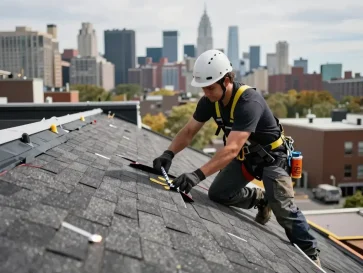
Retail, restaurant, office, multi-family - we keep commercial jobs on schedule and minimize disruption. Permits, insurance documentation, and after-hours scheduling are handled without you having to chase anyone.
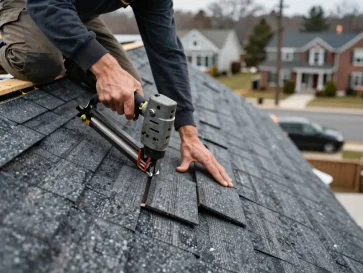
New installation done right means picking the correct system for your roof's pitch, exposure, and climate load - not just whatever's cheapest to install. We match material to structure and explain every choice before the order goes in.
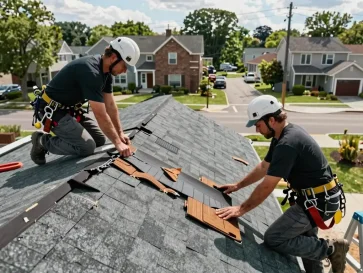
We tell you when a repair isn't worth it and when it is. If the existing system is past its limit, we do a full tear-off, inspect the decking, and replace everything - backed by a 10-year workmanship guarantee.
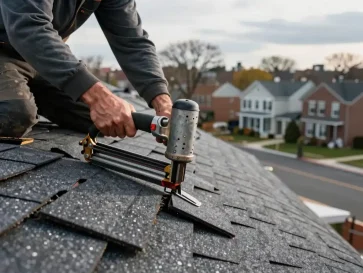
A leak showing up on your ceiling is rarely coming from directly above it. We find where water is actually getting in and fix that - not just what's visible from the street.
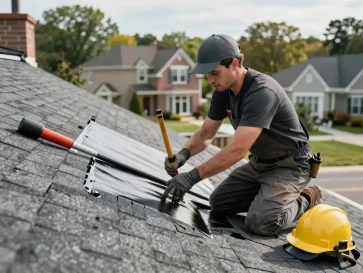
Shingles are visible. Underlayment, flashing seals, and water barriers are not - and those are usually where the failures happen. We build every layer correctly, not just the top one.
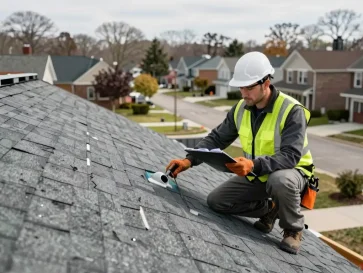
Free inspections include everything: shingles, flashing, valleys, ridge caps, soffit, fascia, and drainage. You get a written report with photos - and nothing gets recommended unless it actually needs attention.
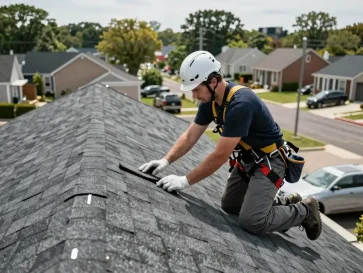
The $400 maintenance call that catches lifted flashing or cracked caulk around a chimney is the one that prevents the $14,000 leak damage two winters later. Scheduled maintenance is available for both residential and commercial properties.
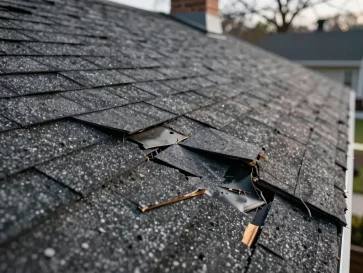
Storm damage, hail hits, wind-lifted shingles - we handle the repair and the insurance claim paperwork together. You don't have to coordinate between your adjuster and your contractor separately.
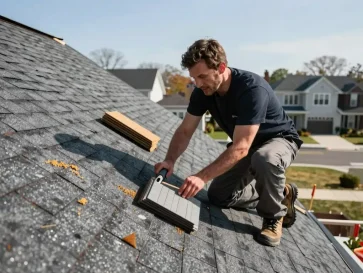
3-tab shingles are cheaper upfront but typically last 15-20 years. Architectural shingles run 25-30 years and handle Queens weather better. Impact-resistant options cost more but can reduce your insurance premium and hold up better against hail. This guide covers what each type actually costs, how long each lasts, and which makes sense for your specific roof and budget.
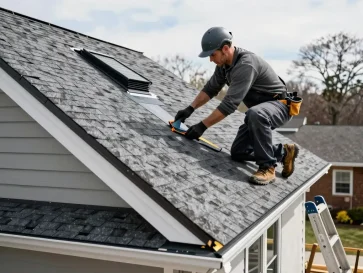
Most leak calls we get aren't about shingles - they're about flashing that wasn't sealed properly around a chimney, a valley where water pools, or underlayment that was skimped on during the original install. This guide explains what each component does, what failure looks like, and why the details that aren't visible from the street are often the ones that matter most.
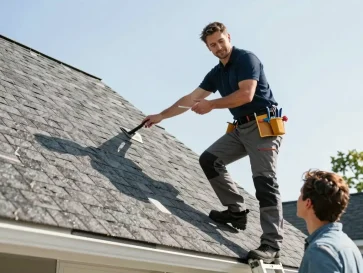
GAF and Owens Corning dominate the Queens market for a reason - wide availability, strong warranties, and a proven track record in northeast climate conditions. CertainTeed is a solid mid-range option. IKO and Tamko work well for budget-constrained jobs where the homeowner understands the trade-offs. This guide breaks down where each brand performs well and where it doesn't, so you can make the call yourself.
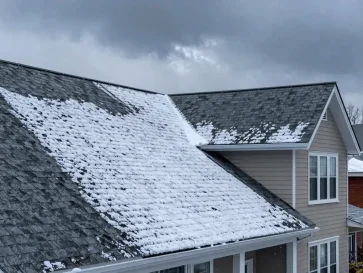
Ice dams form when heat escapes through your attic, melts the snow on your roof, and the water refreezes at the eave line - pushing up under your shingles. It's one of the most common causes of winter water damage in Queens, and it's almost entirely preventable with proper ventilation and ice-and-water shield installation. This guide covers what actually causes winter roof damage here, how to spot early warning signs before the damage shows up on your ceiling, and what a correct cold-weather installation looks like.
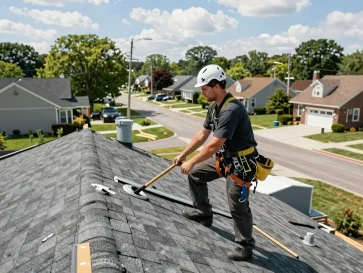
If you've never dealt with a roof replacement before, you probably have basic questions that contractors assume you already know the answers to: How long does a replacement take? Do you need to be home? What happens to the old shingles? What does a permit cover and who pulls it? This guide answers all of it - no assumed knowledge, no industry jargon.
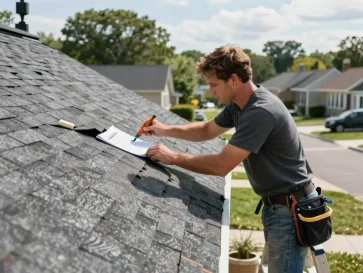
Replacing one or two missing shingles is something a capable homeowner can do safely with the right materials and weather conditions. Anything involving the ridge, valley, flashing, or more than a handful of shingles is where DIY repairs tend to create bigger problems than they fix - and void manufacturer warranties in the process. This guide is honest about where the line is, what tools you'd actually need, and when calling a licensed roofer is the smarter move financially.
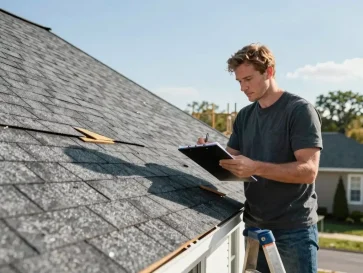
A basic shingle repair on one section of a Queens row house runs differently than a full tear-off on a steep-pitch colonial in Forest Hills. Roof size, pitch, current decking condition, material grade, and whether permits are required all affect the final number. This guide explains what drives cost on a shingle roofing job, what questions to ask before signing any estimate, and what red flags in a quote usually mean.
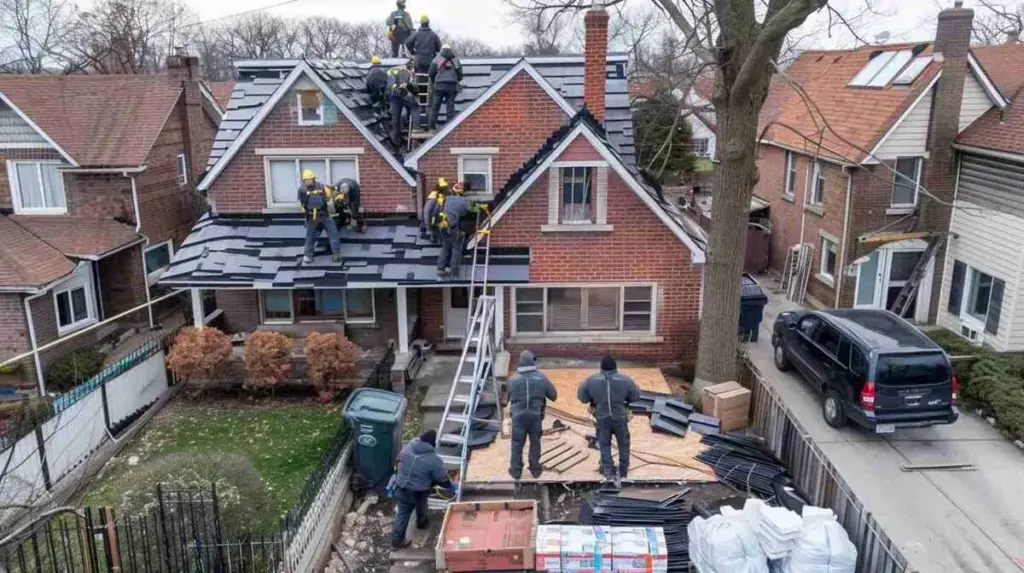
When it comes to your roof, some problems can wait – but others demand immediate attention. Knowing when you need