Terracotta Shingle Roof Queens NY – The Look and What It Costs | Call Today
Honestly, in Queens right now a terracotta shingle roof is usually landing between $12,000 and $26,000, and the only honest way to know where you’ll fall is to look at three things: your roof shape, your existing structure, and how “true-to-tile” you want that color and texture to be. This article walks through what actually shifts that number-no fluff, just real costs, local examples, and what you’ll see when the crew shows up on your block.
What a Terracotta Shingle Roof Really Costs in Queens Right Now
Honestly, when someone asks me for a terracotta price, I start by telling them the range and the reason: in Queens you’re looking at somewhere between $12,000 and $26,000 for a typical residential install, and those three factors-roof complexity, what’s hiding under your current shingles, and how close you want to get to the real clay tile look-are what push you toward one end or the other. Think of it like pottery: you can have a simple glaze on basic earthenware, or you can fire a heavily layered stoneware piece with specialty minerals, and the difference isn’t just in how it looks-it’s in how it’s built from the inside out. My personal take? If you’re on a prominent corner lot or planning to stay fifteen years, that extra spend on a premium terracotta profile with color blends is absolutely worth it. If you’re getting ready to sell in two years, a solid mid-grade terracotta shingle and clean flashing will do the job without burying cash you’ll never recover.
One August afternoon in Astoria, it was 96° and the homeowner had this Pinterest board full of heavy Spanish tiles-on a 1920s bungalow with a tired frame. I remember sitting at their tiny kitchen table with sweat dripping down my back, sketching how a full clay tile load would bow their rafters over time. We pivoted to terracotta architectural shingles, and when I came back that fall to check the install, the neighbor across the street literally yelled from his stoop, “That’s not real tile?” Best compliment I’ve had on a fake-out roof. That job cost about $18,500, and if we’d gone with real clay and the structural upgrades to handle it, we’d have been north of $35,000 easy. The lesson: a convincing terracotta look can save you fifteen grand and give you the exact curb appeal you’re after.
📊 Installed Terracotta-Look Shingle Roof Pricing Scenarios – Queens, NY (2026)
| Scenario | Roof Description | Approx. Size (sq ft) | Terracotta Look Level | Estimated Range |
|---|---|---|---|---|
| Simple Ranch | Single-story, simple gable, clean decking, no valleys | 1,200 | Basic terracotta tone, standard profile | $12,000-$15,500 |
| 1920s Bungalow | Hip roof, dormers, some decking repair needed | 1,600 | Mid-grade architectural, warm terracotta blend | $17,000-$21,000 |
| Two-Story Colonial | Multiple valleys, chimney flashing, good structure | 2,000 | Premium terracotta, high-def shadow lines | $21,000-$26,000 |
| Corner Lot Victorian | Complex hips, turret, extensive substrate work | 2,400 | Luxury terracotta multi-tone, custom ridge | $28,000-$35,000 |
| Row House | Shared walls, flat front section, small pitched rear | 900 | Standard terracotta, focus on tie-ins to parapet | $10,500-$14,000 |
Prices include tear-off, disposal, materials, labor, and permits where required. Final cost depends on condition discovered during tear-off and any code-required ventilation or decking upgrades.
Terracotta Is a Look, Not a Superpower: Materials, Weight, and Weather in Queens
Here’s the blunt version: terracotta is a look, not a magic material that ignores Queens weather and building codes. Most “terracotta roofs” in Queens are actually premium asphalt or composite shingles that have been colored and textured to mimic the curves and warm orange tones of traditional clay tile, and that’s not a bad thing-it’s often the smarter play. Real clay tile can weigh three to four times what architectural shingles weigh, and unless your house was built for it or you’re willing to pay for serious framing upgrades, you’re risking sag, cracking, and a failed inspection. Think of it like ceramics: the glaze on top is what catches your eye, but the clay body underneath is what holds the piece together in the kiln. Terracotta-look shingles give you the glaze without requiring a whole new kiln.
A winter job in Bayside sticks in my head because it went sideways at 7:30 a.m. in freezing drizzle. We’d stripped the old three-tabs and uncovered a patchwork of rotten decking right where the homeowner wanted a dramatic terracotta look to impress buyers. We had to halt the pretty part and spend half a day rebuilding the substrate. I still use that job as my reminder story: no amount of terracotta charm matters if the underlayment is sitting on sponge cake. Queens has a ton of 1920s through 1950s housing stock-those charming brick bungalows in Bayside, the row houses in Jackson Heights-and a lot of them have original framing that’s been patched but never fully replaced. When we open one up, we often find a mix of good lumber, questionable plywood, and corners where someone just nailed new boards over rot instead of cutting it out. That’s what changes your cost, not the shingle color.
| Feature | Real Clay Tile Roof | Terracotta-Look Architectural Shingles |
|---|---|---|
| Weight (per square foot) | 8-12 lbs | 2.5-4 lbs |
| Typical installed cost (Queens) | $30,000-$50,000+ (with structural upgrades) | $12,000-$26,000 |
| Structural requirements | Often requires rafter reinforcement, engineered assessment | Works on standard framing in most Queens homes |
| Expected lifespan | 50-100 years (if properly maintained) | 25-35 years with good warranties |
| Maintenance | Individual tiles crack, slip; labor-intensive repairs | Standard shingle replacement, much simpler |
| Suitability for typical Queens framing | ❌ Rarely compatible without major work | ✅ Designed for standard residential framing |
⚠
Risks of Adding Full Clay Tile to Older Queens Roofs
- Overloaded rafters: Most 1920s-1960s Queens homes were framed for asphalt or wood shingles, not 10-pound-per-square-foot clay tiles. Adding that weight without an engineer’s sign-off can cause sagging, cracking, and structural failure over time.
- Code violations: NYC building code requires structural calculations and permits for heavy roofing materials. Installing clay tile without those approvals can result in fines, insurance denials, and trouble when you sell.
- Hidden damage revealed too late: The extra weight accelerates any existing weaknesses in your framing-what looked fine under light shingles can collapse under tile, and by then you’re paying for emergency repairs and a second roof job.
- Insurance headaches: Some carriers won’t cover clay tile on older homes without proof of structural upgrades, and if you don’t disclose the install, you risk voiding your policy entirely.
Style vs Budget: Choosing Your Terracotta Shingle Look
I always ask people this first: are you trying to impress buyers from the curb, or are you trying to love this place for 20 years? That’s not a trick question-it’s the fork in the road for every major decision about color blends, profile depth, and warranty tiers. If you’re selling in three to five years, your goal is clean, attractive, and broadly appealing, which means you can skip the custom color mixing and focus on a mid-grade terracotta tone that photographs well and doesn’t clash with your neighbors. If you’re staying long-term, you’ve got permission to care about the little stuff: whether the shingles have the right shadow line to mimic individual tiles, whether the ridge caps look hand-laid, and whether the warm orange plays nicely with your brick and the maple tree out front. Here’s my insider tip, learned the hard way on a Woodside job where the client spent everything on fancy shingles and nothing on underlayment: spend your money on the invisible stuff first-quality ice and water shield, proper venting, and flashing done right-then step up to a solid mid-range terracotta shingle instead of blowing the budget on the absolute top-tier line. You’ll get 90% of the look for 70% of the cost, and the roof will actually last because the layers underneath are built right.
I once had a Jackson Heights landlord call me in a panic at dusk after a storm, insisting the “terracotta roof” I’d installed was leaking everywhere. Turned out he’d had someone else do a cheap porch tie-in after we finished our work, and they’d sliced right through our flashing. I climbed up with a headlamp, listened to the J train rumble in the distance, and traced the water path from that bad cut straight into his ceiling. We fixed it, but now any time someone says, “We’ll let another guy handle the extension,” I tell them that story before I even talk cost. The lesson: if you’re planning any future projects-a dormer, a porch roof, solar panels-you need to tell your terracotta roofer up front so they can flash and tie in those areas properly the first time. Otherwise, the prettiest terracotta shingles in Queens won’t stop water from finding the one spot someone else messed up.
If You’re Selling in 3-5 Years
- ✓ Choose a warm but neutral terracotta shade that complements most buyer tastes
- ✓ Go with a standard architectural profile-clean shadow lines, no specialty textures
- ✓ Invest in a transferable 25-30 year warranty for resale appeal
- ✓ Prioritize curb-facing slopes and skimp less on the back-buyers see the front first
If You’re Staying 10-20 Years
- ✓ Splurge on premium color blends and high-definition profiles that age beautifully
- ✓ Match the terracotta tone to your brick, stucco, or trim for a cohesive, personal look
- ✓ Upgrade to lifetime or 40+ year warranties with algae resistance
- ✓ Plan for future tie-ins (solar, dormers) and have your roofer prep flashing now
✅ Key Terracotta Shingle Style Decisions Before You Get a Quote
-
✅
Shade family: Are you going for bright terracotta orange, muted clay, or a blended earthy tone with variation? -
✅
Contrast with existing materials: How does the terracotta play against your brick, siding, stone, or painted trim? -
✅
Profile style: Do you want flat architectural shingles or a dimensional profile that mimics individual curved tiles? -
✅
Trim and ridge cap style: Should the ridge caps match exactly, or do you want a contrasting accent color along the peaks? -
✅
Neighborhood context: Are you trying to coordinate with neighboring roofs for a unified street look, or do you want to stand out?
What the Actual Installation Looks Like on a Queens Terracotta Roof
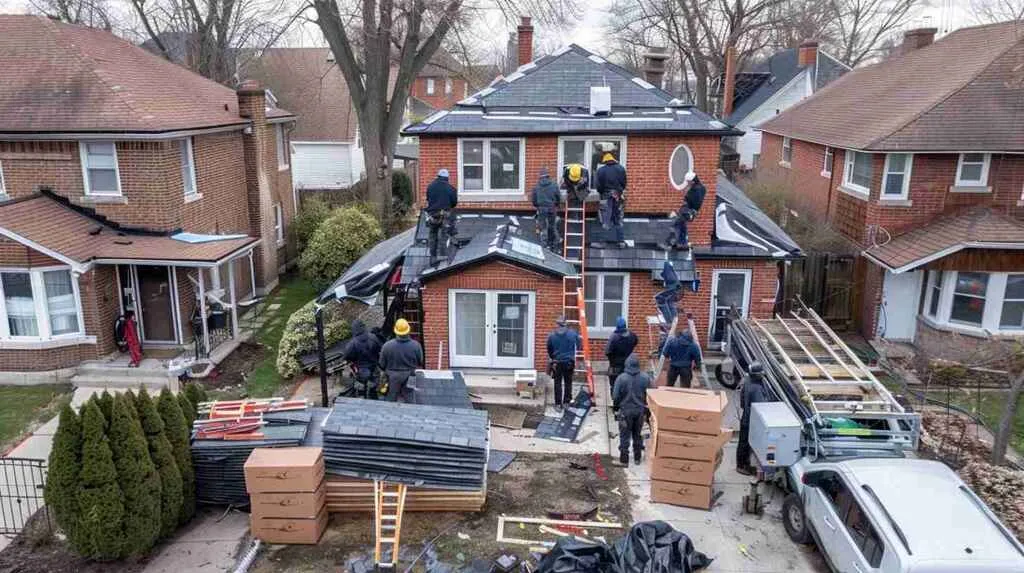
One thing my old ceramics professor drilled into me-and it applies to roofing too-is that color without structure is just decoration waiting to fail. On a terracotta shingle job, the pretty orange-red tiles you see from the street are the very last thing we put on, and they only matter if the five layers underneath are done right. We start with a full tear-off down to the decking, then inspect and replace any soft or rotten boards-this is where hidden costs show up, especially on older Queens homes. Next comes ice and water shield along eaves, valleys, and any penetration points, followed by a high-quality underlayment across the entire roof deck. Flashing goes in around chimneys, vents, and where the roof meets walls or dormers, and only after all of that do we start laying the terracotta shingles themselves, working from bottom to top with careful alignment and proper nailing. Ridge caps are the final touch. It’s methodical, and it’s not Instagram-ready until the very end, but that’s the point.
Before we get too excited about the exact shade of terracotta, we have to talk about how your current roof is built. When I walk a roof in Astoria or Woodside, I’m not just looking at shingle color-I’m checking for sag in the ridgeline, bouncy spots that suggest failing decking, vents that are rusted shut, and flashing that’s been painted over so many times it’s basically decorative. On a typical Queens block, especially in neighborhoods with 1920s-1950s stock, you’ll find a mix of original framing that’s held up beautifully and spots where someone did a quick patch thirty years ago that’s now coming back to haunt you. That inspection determines both the timeline-a simple overlay-ready roof vs one that needs serious prep-and the final price, because no amount of gorgeous terracotta shingles will hide a roof that’s sinking or a chimney that’s leaking. I always tell people: the structure is the clay body, and the shingles are just the glaze.
Step-by-Step: Installing a Terracotta-Look Shingle Roof in Queens
🗓️ Post-Installation Care for Your Terracotta Shingle Roof in Queens
Check for any shingle tabs that may have lifted during high winds, inspect flashing around chimneys for any sealant gaps, and clear gutters of granule wash-off from new shingles.
Walk the perimeter and look up for any visible damage, trim back tree branches that hang over the roof, keep gutters and downspouts clear, and schedule a professional inspection every 3-5 years.
Do a quick visual check from the ground for missing or damaged shingles, look for new leaks inside your attic, and call your roofer if you spot anything-storm damage caught early is much cheaper to fix.
Have a full professional inspection to check for granule loss, flashing deterioration, and any structural settling. This is when you’ll decide whether you need selective repairs or if you’re approaching end-of-life and should start planning a replacement.
Before You Call for a Terracotta Roof Quote in Queens
Having a few simple details ready-like your roof’s age, any past leak spots, and whether you’re planning additions or solar-lets me give you a sharper terracotta quote without guesswork or three rounds of “let me get back to you.” Think of it like ordering a custom mug from a potter: if you know the size and whether it needs a handle, the artist can price it accurately; if you just say “something pretty,” you’re both going to waste time. Just grab those basics, and we’ll take it from there.
📋 Details to Gather Before Calling Shingle Masters About a Terracotta Roof
-
☑
Approximate roof age: Even a rough guess-like “we bought it ten years ago and it was already old”-helps us assess what’s likely hiding underneath. -
☑
Current shingle type: Are you on three-tab asphalt, architectural shingles, or something else? It affects tear-off complexity and disposal cost. -
☑
Known problem areas: Have you had leaks, ice dams, or sagging spots? Tell us where so we can focus our inspection there. -
☑
Attic access availability: We’ll want to look at your decking and ventilation from below; knowing whether we can get up there saves time on the first visit. -
☑
Future plans: Thinking about a dormer, porch addition, or solar panels in the next few years? We need to plan flashing and tie-ins now, not after the terracotta roof is done. -
☑
2-3 terracotta color examples you like: Screenshots, photos from the neighborhood, or manufacturer samples help us understand the look you’re after-warm orange, muted clay, blended tones, etc.
❓ Common Questions Queens Homeowners Ask About Terracotta Shingle Roofs
How long do terracotta-look architectural shingles last in Queens weather?
With proper installation and maintenance, quality terracotta-look architectural shingles typically last 25-35 years in Queens. Our freeze-thaw cycles, summer heat, and coastal humidity are tough on roofs, so choosing shingles with good algae resistance and a solid warranty matters. Real clay tile can last 50-100 years, but on a typical Queens home the structural cost to support that weight usually isn’t worth it unless you’re in a landmark district or have a very specific architectural goal.
Can terracotta shingles work on flat or low-slope roofs common in Queens row houses?
Not really. Terracotta-look architectural shingles are designed for pitched roofs-generally 4:12 slope or steeper-because they rely on gravity and overlapping courses to shed water. If you have a flat or very low-slope section (common on Queens row houses and attached homes), you’ll need a different system like modified bitumen, TPO, or EPDM rubber for those areas, and save the terracotta look for any pitched sections like a rear addition or dormer.
Do terracotta shingles make the house hotter or noisier than regular shingles?
Terracotta-look shingles (asphalt/composite) perform almost identically to regular architectural shingles in terms of heat and noise-the color might absorb a bit more or less heat depending on how dark the terracotta tone is, but it’s minimal. Real clay tile is a different story: it can provide better thermal mass and slightly better insulation, but again, you’re paying for that in weight and cost. As for noise, neither terracotta shingles nor clay tile are noticeably louder in rain or hail compared to standard asphalt.
How long does a typical terracotta shingle roof installation take on a small Queens house?
On a straightforward 1,200-1,600 square foot home with no major decking repairs, we’re usually done in 2-4 days: one day for tear-off and prep, one to two days for underlayment and shingle installation, and a final half-day for ridge caps and cleanup. Complex roofs with dormers, multiple chimneys, or hidden damage can stretch to a week. Weather delays happen, especially in winter and early spring, so we always build buffer time into the schedule.
Do I need permits or HOA approval for a terracotta roof in Queens?
In most of Queens, a standard re-roof (tear-off and replace with the same type of covering) requires a building permit, and a licensed contractor will pull that for you. If you’re in a landmarked district-parts of Jackson Heights, Forest Hills Gardens, and a few others-you may need Landmarks Preservation Commission approval, especially if you’re changing the roof color or style significantly. HOAs and co-op boards can also have rules about color and material, so check your governing documents before you commit to a terracotta shade that might get rejected. We can help navigate that process.
A terracotta shingle roof in Queens is about finding the balance between the warm, textured look you want and the budget and structure you actually have-and doing it in a way that holds up through twenty winters of freeze-thaw and twenty summers of beating sun. If you’re ready to talk specifics-your roof shape, your timeline, and which terracotta tone actually makes sense on your block-call Shingle Masters today for a no-pressure estimate. You’ll get a rooftop walk, a structure check, and a real color consult, not just a square-foot number texted from a truck. Let’s lock in current pricing and get you on the schedule before the busy season hits.