Are Shingle Roofs Fire Resistant Queens NY – What Ratings Mean | Call Today
Signals matter. Most asphalt shingle roofs in Queens quietly carry the same top-tier Class A fire rating you’d find on copper or slate-the kind of protection that stops flame spread and kills embers cold. But here’s what nobody tells you: walk through Bellerose, Corona, or Flushing after a small roof fire, and you’ll find some shingle roofs that melted like candle wax while others barely show scorch marks, and the difference isn’t always the brand on the wrapper-it’s everything underneath that wrapper you can’t see from the street.
Are Asphalt Shingle Roofs Really Fire Resistant in Queens?
On a corner lot in Woodside last winter, a homeowner asked me something you’re probably wondering too: “Are shingle roofs actually fire resistant, or is that just marketing?” And honestly, the answer is yes-most modern fiberglass-based asphalt shingles installed on Queens homes carry a Class A rating, which is the top tier in fire safety, on par with metal standing-seam or concrete tile. My honest opinion? The shingle itself is only half the story; the rest of the fire resistance lives underneath where most people never look. Think of it like the subway signal system I used to maintain on the 7 train: one Class A-rated shingle is just the green signal at the platform, but if the track circuits, the backup power, and the relay cabinets behind the wall are outdated or mismatched, that “safe” signal doesn’t mean the train won’t get stuck between Woodside and 61st Street. A roof fire rating works the same way-the whole assembly has to pass the test together.
One July afternoon, about 3 p.m., I was on a two-family in Jackson Heights when ConEd transformers were popping from the heat and a neighbor’s old torch-down roof literally started smoldering from some fireworks debris. My client panicked, asking if their new shingles would “go up like that.” I walked them over, showed them how our Class A asphalt shingles had self-extinguishing granules, and we actually watched a little ember die out on a scrap shingle I kept in the truck-sold them on the right underlayment and fire-rated sheathing that same day. “Class A” means the shingle has been lab-tested to resist severe flame spread, survive burning brands (like flying embers), and not contribute fuel to a fire for a measured period. For a typical Queens row house or attached two-family, that translates to real-world protection when a neighbor’s grill flares up, when fireworks land on your roof on the Fourth of July, or when an electrical short sends sparks into your attic.
| Common Myth | Actual Fact |
|---|---|
| All asphalt shingle roofs will go up fast in a fire. | Many modern fiberglass asphalt shingles are Class A rated and are designed to resist flame spread and self-extinguish small embers. |
| Only metal or tile roofs can earn a top fire rating. | Asphalt shingles with the right fiberglass mat and granules can carry the same Class A fire rating as many metal and tile systems. |
| If the shingle wrapper says “fire resistant,” the whole roof is safe. | Fire resistance is tested as a roof system, so the deck, underlayment, and installation affect how the whole roof performs in a real fire. |
| Queens code doesn’t really care about shingle fire ratings on existing homes. | NYC code and insurers pay close attention to roof assemblies and can flag non-compliant or uncertified materials during inspections or claims. |
What Roof Fire Ratings Mean: Class A, B, and C Explained
I still remember standing in the drizzle on a Maspeth driveway, holding up a charred shingle from a small roof fire and showing the owner exactly how the burned area stopped at the fiberglass mat. Back in 2016, I got called to Bellerose at 6:30 in the morning after the fire department cleared a small attic fire caused by old knob-and-tube wiring. The shingles on that Cape house were cheap, unrated imports the previous owner got from some guy out of a van, and the way they melted and dripped told me everything. The inspector and I stood there going over NFPA 285 reports while the homeowner drank coffee from a paper cup in their driveway, and that experience is why I refuse to install any shingle I can’t verify as properly fire-tested. Here’s what the ratings actually mean: Class A shingles pass the toughest lab tests for flame spread, ember exposure, and burn-through resistance-they’re built to withstand severe fire exposure and are the gold standard for dense Queens neighborhoods with attached homes, shared walls, narrow driveways, and rooftop decks where embers can hop from one building to another. Class B offers moderate resistance and can handle intermediate exposure, but you’re leaving margin on the table. Class C is basic, and honestly, I see it mostly on older organic-mat shingles or budget products that wouldn’t pass today’s stricter standards-those are the ones that turn into candle wax when things go wrong, just like those imports in Bellerose.
Most Queens homes already have Class A fiberglass shingles and don’t even know it, because the rating is printed in tiny type on the packaging or buried in the manufacturer’s spec sheet that the installer never hands over. I’ll stand at your kitchen table and pull up the ASTM E108 or UL 790 test report on my phone to show you exactly what your roof can survive, because I won’t install anything without verifiable test data. Around here, Class A is the smart choice-row houses in Astoria, attached Capes in Bayside, two-families in Ridgewood-these are all situations where your roof is within spitting distance of the next building, and fire departments need every second of resistance they can get.
| Rating | Fire Test Performance | Typical Shingle Type | What It Means in Queens, NY |
|---|---|---|---|
| Class A | Highest resistance to flame spread, withstands severe test fire exposure and burning brand tests. | Fiberglass-asphalt shingles with fire-rated underlayment over proper sheathing. | Best choice for dense neighborhoods, attached homes, and houses near businesses or busy streets with more ember risk. |
| Class B | Moderate resistance, handles intermediate flame exposure and smaller burning brands. | Some organic-based or mid-grade shingles with limited system testing. | May meet basic requirements but offers less margin of safety during attic or exterior fires. |
| Class C | Basic resistance, suitable only for light fire exposure in testing conditions. | Older organic shingles or budget products not designed for severe fire exposure. | Often outdated or non-compliant for modern NYC expectations; can perform poorly like the unrated imports Luis saw in Bellerose. |
Why the Whole Roof System Matters More Than Just the Shingle
When I sit at your dining table and you ask about quotes, the first thing I’ll ask back is, “Do you know what fire rating your current roof has?” Nine out of ten Queens homeowners shrug. Think of your roof like the signal system on the 7 train-one great component doesn’t matter if the rest of the chain is old, mismatched, or installed wrong. A Class A shingle sitting on rotted plywood, over cheap felt paper, with plastic roof vents that’ll melt at 300 degrees? That’s like having a brand-new signal relay feeding into corroded track circuits and wondering why trains still stall. Fire resistance lives in the whole assembly: the deck repairs, the fire-rated underlayment, the metal drip edge and flashing, and even your ridge vents and pipe boots. The shingle is just the top shell-the visible green light-but the backup layers underneath are what actually stop a fire from spreading into your attic or jumping to the next house.
Underlayment, Deck, and Vents: Your Fire “Backup Layers”
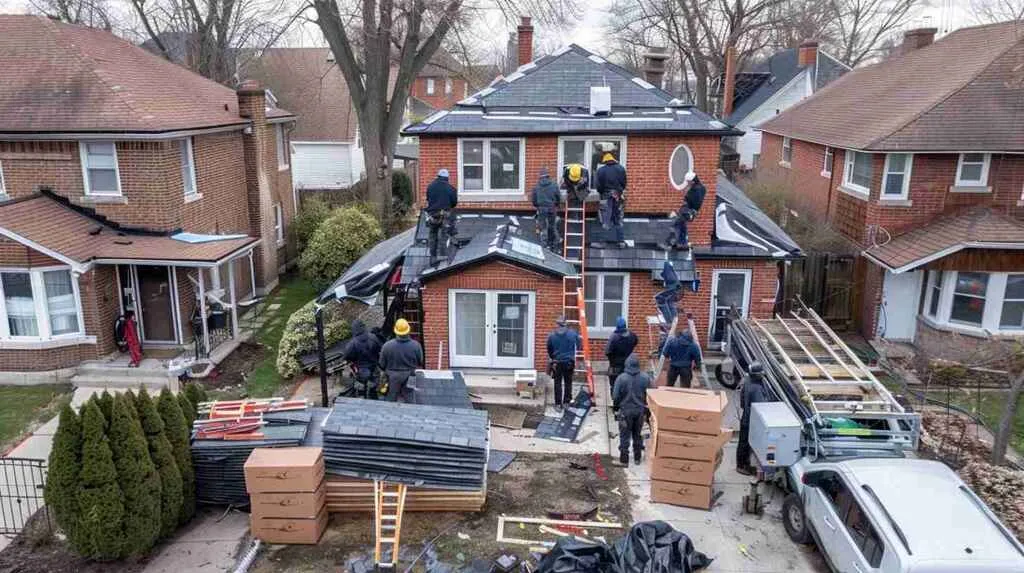
One windy November night, around 10 p.m., a landlord from Flushing called me in a panic because a tenant had tossed a lit cigarette onto the back roof deck. It landed right next to a section where some handyman had patched with mismatched shingles and no fire-resistant underlayment. Luckily, it just scorched the surface, but I could see brown burn rings on the old felt. I spent the next week replacing that whole area with a fiberglass-based, Class A shingle system and explaining to the owner that a roof is like a circuit: if one segment is weak, that’s where the “short”-or in this case, the fire-will happen. My insider tip? When you’re replacing shingles near roof decks, chimneys, or party walls, always insist on a fire-rated underlayment-something with a fiberglass or mineral backing-and make sure it’s documented as part of a tested Class A system, not just “Class A shingles” scribbled on the invoice. That weak segment in Flushing became the danger point, just like a failed signal block on the 7 train that backs up the whole line.
✅ Key Parts of a Fire-Resilient Shingle Roof System in Queens
- Fire-rated synthetic or fiberglass underlayment (not old organic felt that burns like newspaper)
- Solid plywood or OSB sheathing with no rot, gaps, or missing sections that create weak points
- Metal drip edge and flashing around chimneys, skylights, and vent pipes instead of plastic or thin aluminum
- Class A-rated ridge vents and intake vents that won’t melt and open a pathway into your attic
- Proper nailing pattern and attachment so shingles stay flat and don’t expose underlayment to embers during high winds
- Fire-blocking or code-compliant chimney cricket at vulnerable roof-to-wall intersections on attached homes
⚠️ Warning: Mixing Old Materials with New Class A Shingles
Installing brand-new Class A shingles over rotten decking, old tar-paper felt, or non-rated patch sections can leave dangerous weak spots where fire can penetrate and spread. This is especially risky near roof decks, skylights, and around old masonry chimneys where embers tend to land and smolder. The rated shingle is only as strong as the weakest layer beneath it-and insurance adjusters know exactly where to look after a fire.
How I Evaluate Your Roof’s Fire Resistance on a Queens House
Here’s the blunt truth: you can buy a Class A shingle and still have a fire-vulnerable roof if the installer cuts corners on deck repairs, underlayment, or roof vents. When someone calls me from Elmhurst or Bayside asking about fire resistance, I don’t just look at the color of the shingles from the curb and hand them a price. I grab my headlamp, pop the attic hatch, and check the underside of the sheathing for old burn marks, water stains, or knob-and-tube wiring running too close to roof penetrations. I inspect the vents-are they plastic that’ll melt at the first sign of heat, or metal? I trace the flashing around chimneys and skylights looking for old tar patches or mismatched materials. And I ask about any previous roof work, because a lot of times a homeowner will say “we had it fixed” and what they really mean is some guy patched a section with whatever leftovers he had in his truck. My whole approach comes from my old MTA mindset: trace the signal path, find the weak link in the chain, and fix it before it causes a delay-or in this case, a fire that spreads.
$300 to $600 of upgraded fire-rated underlayment can be the difference between a scorched patch and a full-roof tear-off after a fire. Worth every penny when you’re looking at attached homes or houses with rooftop decks where the fire department response time might be eight minutes instead of three.
On-Site Fire-Resistance Check Shingle Masters Performs in Queens
Do You Need a Fire-Focused Roof Upgrade or Just a Checkup?
START: Do you know your roof’s current fire rating?
↘ NO → Is your roof over 15 years old?
YES → Schedule a full fire-focused roof inspection with Shingle Masters within the next 30 days.
NO → Do you have a roof deck, nearby buildings, or shared walls?
YES → Plan a preventative upgrade to a verified Class A system within 1-2 years.
NO → Request a checkup and ask for documentation of current materials.
↘ YES → Is it Class A and less than 12 years old?
YES → You’re likely in good shape; verify underlayment and vents during routine maintenance.
NO → Time to upgrade-especially if you’ve had any electrical work, rooftop grilling, or nearby fires.
Queens Homeowner FAQs on Shingle Roof Fire Resistance
Think of these FAQs like the signal system on the 7 train-practical questions about real-world situations in Queens, from fireworks debris to rooftop grills to shared walls and code inspections. No fluff, just the straight answers I’d give you at your kitchen table over coffee.
❓ Can I upgrade my existing asphalt shingles to Class A without a full tear-off?
Sometimes, but it’s risky. If your current shingles are in decent shape and you’re just adding a second layer, you’ll still need to verify that the entire roof assembly-deck, underlayment, first layer of shingles-meets Class A standards, which usually isn’t the case on older Queens homes. Most times, a full tear-off down to the sheathing and a fresh Class A system is the only way to get verifiable fire protection and honest documentation for your insurer.
❓ Is it safe to grill or use a fire pit on or near my shingle roof deck?
Not a great idea, even with Class A shingles. Embers and grease flare-ups can land on shingles, flashing, or wood deck framing and smolder for hours before igniting. If you do grill up there, keep a metal tray or fireproof mat under the grill, never leave it unattended, and make sure your roof has fire-rated underlayment and metal flashing around that deck area-because one stray spark is all it takes.
❓ How does NYC or Queens building code look at Class A vs. older roofs?
NYC code doesn’t retroactively force you to tear off an older roof just because it’s not Class A, but if you’re doing major roof work, additions, or repairs that trigger a permit, inspectors will expect the new materials to meet current fire standards. And if you ever file an insurance claim or try to sell, underwriters and buyers absolutely care about fire ratings-especially in dense neighborhoods or near commercial zones.
❓ Will my insurance give me a discount for a Class A shingle roof?
Many carriers do, especially if you can provide documentation-photos, manufacturer spec sheets, contractor certification-that the whole roof system, not just the shingles, is Class A. Discounts vary, but I’ve seen homeowners in Bayside and Flushing save 5-10% on their premiums, and more importantly, avoid claim disputes when fire damage happens and the adjuster questions whether your roof was code-compliant.
❓ How long does a Class A shingle system realistically stay fire-resistant in Queens weather?
The granules and fiberglass mat in a quality Class A shingle will hold their fire rating for the life of the shingle-typically 20 to 30 years-as long as the roof is properly maintained. But underlayment, flashing, and deck can degrade from moisture, ice dams, and wind, so after 15 years or any major storm damage, get a fire-focused inspection to confirm everything still meets the original system specs.
✓ Why Queens Homeowners Call Shingle Masters for Fire-Rated Shingle Roofs
- ✅ NYC-licensed roofing contractor, fully insured and bonded for all work in Queens boroughs
- ✅ 17+ years roofing experience exclusively in Queens, from Astoria to Bellerose
- ✅ Former MTA signal technician with a systems-focused, code-first approach to roof fire safety
- ✅ Familiar with NFPA and ASTM fire test standards-will show you the actual lab data, not just marketing
- ✅ Typical inspection response time: 24-48 hours for fire-focused roof evaluations
- ✅ Specializes in Class A fiberglass shingle systems with verified, documented fire-rated underlayment and assembly
A Class A fiberglass shingle system, installed as a complete fire-conscious assembly with the right underlayment, solid sheathing, and metal components, is the safest and smartest bet for most Queens homes-especially if you’re in an attached house, near businesses, or anywhere rooftop decks and grills are part of daily life. Don’t guess about your roof’s fire rating when one phone call can get you real answers. Call Shingle Masters today to schedule a fire-focused roof inspection or replacement, and I’ll sit down at your kitchen table, walk you through your current rating, show you the test data on my phone, and lay out every option in plain language-because when it comes to protecting your home, you deserve more than a salesperson; you deserve someone who thinks like a signal tech and builds like a neighbor.