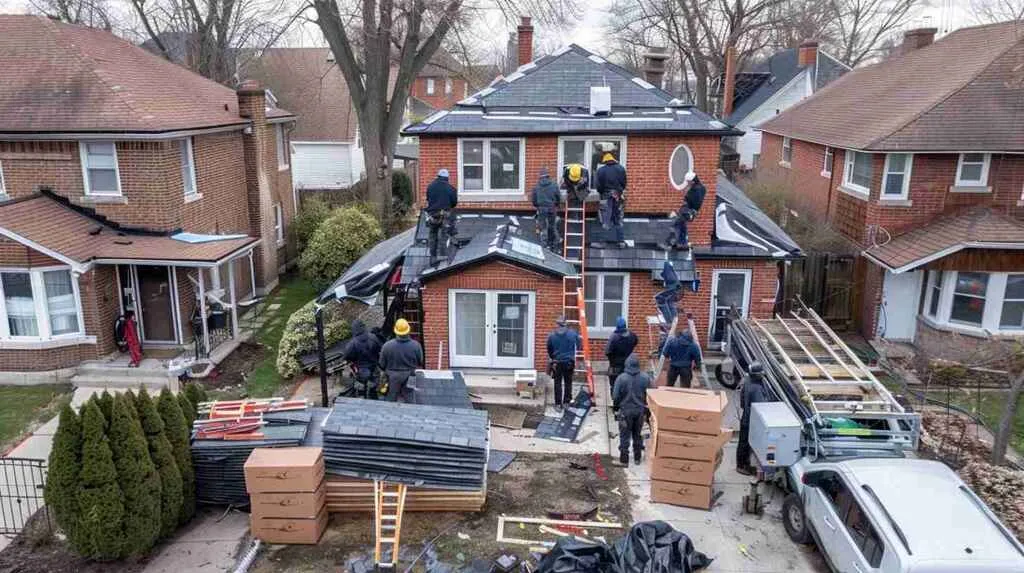
Roof Shingle Rejuvenation Queens NYC – Add Life to Aging Shingles
Layers of oil, time, and weather. That’s what your Queens roof is really made of. A proper roof shingle rejuvenation can save you $10,000-$18,000 compared to a full tear-off, but most people don’t even know it’s an option because they’re judging their shingles on what they see-faded color, dark algae streaks, chalky granule loss-not on what’s still structurally sound underneath that tired surface.
Roof Shingle Rejuvenation in Queens: When Your “Old” Roof Isn’t Actually Done Yet
Here’s my blunt opinion: if your shingles are still lying flat and you’re being pushed straight to a full replacement quote, you deserve a second set of eyes. I’ve spent 19 years on Queens roofs and a decade before that restoring 18th-century paintings in museums, and the principle is identical-don’t throw out the canvas just because the varnish has yellowed. Your shingles are the painted surface, the fiberglass-and-asphalt mat underneath is the canvas, oxidation from UV and pollution is the yellowed varnish, and roof shingle rejuvenation is like applying fresh protective varnish instead of scrapping the whole artwork. Most roofs I see replaced in Flushing or Bayside aren’t structurally dead; they’ve just aged ugly.
In Queens, that “ugly but functional” distinction can mean the difference between a $3,500 rejuvenation and a $22,000 tear-off.
One August afternoon in Jackson Heights, it was 93 degrees and the shingles on this 25-year-old roof felt like potato chips under my boots. The homeowner was convinced they needed a full tear-off because their neighbor had just paid for one, but when I pulled a few tabs and checked the pliability, I knew the base mat was still solid. The fiberglass scrim hadn’t separated from the asphalt, there were no widespread soft spots, and the tabs weren’t curling up at the corners-they were just dry, brittle on the surface, and faded to that familiar Queens roof gray. We did a full cleaning to strip away the algae and pollution film, then applied a professional-grade rejuvenation treatment. I remember going back at dusk, when the sun wasn’t punishing, to check the absorption pattern with my flashlight and make sure the oil had penetrated evenly into the asphalt, not just sat on top like a cheap coating. Two years later, after a brutal winter and one nasty hailstorm, I went back for a quick inspection-those “potato chip” shingles looked like they’d gained ten years of life, still lying flat, still shedding water, still flexible enough to handle freeze-thaw cycles.
So what is roof shingle rejuvenation in Queens climate terms? You’re restoring the oils that UV radiation and temperature swings have slowly cooked out of the asphalt layer, which improves flexibility, slows granule loss, and gives the shingles a fighting chance against our freeze-thaw winters, scorching summers, and the near-constant humidity that rolls in off the water. Think of it like this: the canvas is still strong, but the protective varnish has broken down, and we’re adding a new layer before moisture and oxidation eat through to the underlying structure. In a place like Queens, where your roof bakes at 160 degrees in July and then contracts hard in January cold snaps, that lost flexibility is what causes cracking, granule shedding, and premature failure-not the base shingle itself.
Queens Roof Shingle Rejuvenation vs Full Replacement: Real Cost Comparison
Note: All figures are approximate 2025 estimates for Queens, NY. Actual costs depend on pitch, accessibility, and roof condition. Rejuvenation ranges assume structurally sound shingles.
Is Your Queens Roof a Good Candidate for Shingle Rejuvenation?
On a typical Tuesday in Flushing, when I’m standing on a 20-year-old roof with my moisture meter in hand, the first thing I’m looking for is pliability-can I gently flex a tab without it snapping? Next, I check for trapped moisture under the surface and along the edges where algae loves to hide. Then I’m looking at curling: are the tabs lifting at the corners, or are they mostly lying flat despite looking faded and worn? Finally, I check granule coverage-some loss is normal and cosmetic, but if I’m seeing the black asphalt mat showing through in wide patches, that’s a different conversation. Here’s the insider tip I learned the hard way: I always ask homeowners, “Have you put anything on this roof yourself in the last year?” because DIY coatings and cleaners can interfere with how a professional rejuvenation product bonds to the asphalt. In neighborhoods like Flushing, Jackson Heights, and Bayside, I see a lot of 15- to 25-year-old roofs that look worse than they actually are-dark algae from humidity and mature trees, pollution film from city traffic, and that chalky oxidation layer from constant UV exposure. Homeowners see all that and assume the roof is done, but underneath, the structure is often still solid.
The uncomfortable truth is that a lot of roofs in Queens are being replaced not because they’ve failed, but because they’ve aged ugly. Good candidates for rejuvenation are roofs where the shingles are still lying reasonably flat, you don’t have widespread leaks or water stains inside, and the decking underneath feels firm when you walk on it. Bad candidates are roofs with severe curling where tabs are lifting like potato chips across the whole surface, soft spots that suggest rotted decking or underlayment failure, large sections where granules are completely gone and asphalt is exposed and cracking, or shingles that have already been patched multiple times for storm damage. If your roof is in that second category, rejuvenation isn’t going to save it-you’re looking at a real replacement, and I’ll tell you that plainly before you spend a dime.
Should You Rejuvenate or Replace Your Queens Shingle Roof?
START HERE → Are your shingles mostly lying flat?
- ✓ YES: Do you have fewer than 3-4 leak spots inside?
- ✓ YES: Does the roof feel firm when walked on (no spongy areas)?
- ✓ YES: LIKELY A GOOD CANDIDATE FOR REJUVENATION – Schedule inspection to confirm condition and absorption readiness.
- ✗ NO (soft spots): LIKELY NEEDS REPLACEMENT – Decking or underlayment failure; rejuvenation won’t fix structural issues.
- ✗ NO (many leaks): LIKELY NEEDS REPLACEMENT – Widespread water intrusion suggests shingles have failed beyond cosmetic aging.
- ✓ YES: Does the roof feel firm when walked on (no spongy areas)?
- ✗ NO (severe curling across roof): LIKELY NEEDS REPLACEMENT – Extreme curling means the mat has contracted and lost structural integrity; rejuvenation can’t reverse this.
This flowchart is a guide based on what you can see from the ground or a window. A professional on-roof inspection will give you the definitive answer.
✅ Your Roof IS Likely a Good Candidate
- Shingles lying mostly flat with minimal edge lifting
- Chalky, faded surface but no widespread cracking
- Algae or dark streaks (cosmetic, cleanable)
- Moderate granule loss but asphalt layer still intact
❌ Your Roof Is NOT a Good Candidate
- Tabs curling up severely across entire roof surface
- Soft, spongy areas indicating decking rot
- Large exposed sections where granules and asphalt are gone
- Multiple active leaks with ceiling stains inside
How Our Queens Shingle Rejuvenation Process Works Step by Step
When I meet a homeowner who asks, “Is this roof really shot, or is there another option?,” I tell them we have to treat their shingles like a patient, not a product: diagnose before we prescribe. A proper rejuvenation isn’t a spray-and-pray job-it’s methodical, and in Queens’ humidity and unpredictable weather, there are no shortcuts if you want the treatment to actually work. One job that went sideways on me was a Sunday morning in Bayside after an overnight nor’easter. The homeowner had seen a YouTube video and had already sprayed half his roof with some cheap “rejuvenator” from an online marketplace-no cleaning, no prep, and in 45-degree damp weather. The stuff was beading on the algae and washing straight into the gutters like runoff from a car wash. I had to explain, standing there in drizzle at 8 a.m., that not only did we have to strip his DIY layer with a surfactant cleaner, but we also needed to wait for a proper drying window-at least three dry days with temps above 55 degrees and low humidity-before applying a professional-grade rejuvenation product. That job taught me to always ask, “Have you put anything on this roof yourself in the last year?” before I even climb the ladder, because incompatible coatings can ruin adhesion and waste everyone’s time and money.
Here’s why temperature, roof dryness, and surface prep matter scientifically: rejuvenation oils absorb into dry asphalt the same way oil absorbs into a dry canvas-slowly, evenly, and deep. If the surface is damp, cold, or covered in algae and dirt, the product sits on top like a dusty varnish layer instead of penetrating to the asphalt binder where it does the real protective work. Algae, pollution film, and oxidation act as a barrier; you have to clean them off first or you’re just coating contamination. In Queens, scheduling around nor’easters, summer thunderstorms, and humid spells is part of doing it right-I won’t start a job if rain is forecast within 48 hours or if overnight temps are dropping below 50, because that’s when absorption stalls and you end up with uneven protection and wasted material.
Professional Shingle Rejuvenation Process for Queens Homes
- Initial Roof Inspection: Walk the entire roof to check shingle pliability, moisture levels, decking firmness, and identify any areas that need repair before treatment. Take photos for the homeowner to review at ground level.
- Surface Cleaning & Prep: Apply eco-friendly cleaner to remove algae, pollution film, oxidation layer, and any debris. Rinse thoroughly and allow roof to dry completely (minimum 48-72 hours depending on weather).
- Weather Window Confirmation: Verify forecast shows no rain for 48+ hours, daytime temps above 55°F, and humidity below 70% for optimal absorption. Reschedule if conditions aren’t ideal.
- Application of Rejuvenation Treatment: Apply professional bio-based rejuvenator evenly across all shingle surfaces using calibrated spray equipment. Product penetrates asphalt to restore oils, improve flexibility, and slow granule loss.
- Absorption Check & Touch-Up: Return at end of day or following morning to inspect absorption pattern, ensure even coverage, and address any missed spots or areas where product pooled instead of penetrating.
- Final Walkthrough & Documentation: Review results with homeowner, provide after-treatment photos, explain maintenance tips (gutter cleaning, annual visual checks), and schedule optional follow-up inspection in 12-18 months.
⚠
Risks of DIY Shingle Rejuvenation Sprays in Queens Weather
- Poor adhesion on algae and dirt: Products applied over contamination bead up and wash off instead of penetrating, wasting material and providing zero protection.
- Cold-weather application failures: Applying rejuvenators below 50°F or on damp shingles prevents proper absorption; product sits on surface and can cause slippery conditions or runoff into gutters and landscaping.
- Voided manufacturer warranties: Many shingle warranties explicitly exclude unauthorized coatings or treatments; DIY application can disqualify future claims even if the product itself didn’t cause damage.
- Environmental runoff concerns: Cheap rejuvenators often contain petroleum distillates that can contaminate storm drains, gardens, and groundwater if applied improperly or during rain events.
- Safety hazards: Walking on a freshly treated roof without proper footwear or safety equipment is dangerous; professional crews use harnesses, non-slip boots, and know how to navigate steep pitches safely.
The Bayside example: homeowner saved $200 on labor but ended up spending $800 more to fix the botched DIY attempt, plus lost two weeks waiting for proper weather.
Real Results on Aging Queens Roofs: What Actually Changes After Rejuvenation
I still remember the first time I watched a gray, chalky roof in Woodhaven darken and “wake up” after a rejuvenation treatment-it felt exactly like watching varnish revive a dull old painting. The color didn’t just deepen; the whole texture shifted from brittle and powdery to smooth and slightly reflective, like the asphalt had remembered what it was supposed to be. Late one October evening in Astoria, I worked on an elderly couple’s roof who were panicked because their insurance company had threatened to drop them over “granule loss” and “premature aging” flagged in a routine inspection photo. The sun was already down by the time I finished the roof inspection, and I ended up sitting at their kitchen table with a cup of chamomile tea, showing them close-up photos of their shingles on my tablet like I was presenting slides in an art history lecture. I explained how the granules on top are like the pigment in a painting-they protect the underlying layer and give color, but it’s the asphalt binder underneath (the “paint medium”) that does the structural work. Their granule loss was moderate and cosmetic, not catastrophic, and the asphalt mat was still intact and flexible in most areas. I walked them through how a targeted shingle rejuvenation could restore flexibility, darken the appearance so the roof photographed better, and slow further granule shedding by re-oiling the asphalt to hold granules in place. Three months later, they called me, nearly in tears, to say the insurer had renewed their policy without forcing a full replacement-the follow-up inspection photos showed a roof that looked years younger and performed measurably better on the flexibility test their adjuster did with a simple corner-bend check.
If you’ve ever seen a leather jacket dry, crack, and then soften back up with the right conditioner, you already understand what rejuvenation does for asphalt shingles. Concrete performance changes include: restored flexibility that reduces cracking during freeze-thaw cycles (huge in Queens winters when temperatures swing from 15°F to 50°F in a week), better granule retention because the rejuvenated asphalt acts like a stickier base that holds granules against wind, rain, and hail, improved curb appeal that absolutely matters for insurance renewals and resale value (a roof that photographs well can save you thousands in premiums or inspection headaches), and extended service life-most professionally rejuvenated roofs in Queens gain 5 to 10 additional years, sometimes more if the underlying structure was in good shape to begin with. That’s real time, real money, and real peace of mind, especially when you’re trying to squeeze a few more years out of an older home before a major renovation or sale.
What to Do Before You Call and Common Questions Queens Homeowners Ask
Before you call Shingle Masters or anyone else for a rejuvenation estimate, take a couple of simple steps from the safety of the ground-no ladders needed. Look at your roof from the sidewalk or an upstairs window and note whether shingles are lying flat or curling, whether you see dark streaks or bare spots, and whether there are any obvious missing or damaged tabs. Gather any paperwork you have: when the roof was installed, what brand of shingles, any past repairs or treatments, and-this is the big one-whether you or anyone else has sprayed or coated the roof with a DIY product in the last year. If you’ve had leaks, write down where they showed up inside so we can correlate them with roof areas during the inspection. That’s it-you’ve done the homework, and now we can have a real conversation about your roof like we’re looking at an artwork you’re trying to conserve, not a commodity you’re trying to flip.
Simple At-Home Checks Before Scheduling a Rejuvenation Visit in Queens
-
☑
Locate roof age and shingle brand: Check closing documents, past invoices, or ask the previous owner. Knowing the install date helps us predict condition. -
☑
Take phone photos from ground level: Shoot from multiple angles-front, back, sides-so we can see curling, discoloration, and overall layout before the visit. -
☑
Note any interior leak locations: Mark on a piece of paper where ceiling stains or drips occur so we can inspect those roof sections closely. -
☑
List any DIY coatings or cleaners used: Include product names, application dates, and whether rain occurred shortly after-this affects how rejuvenation bonds. -
☑
Check gutters for granule buildup: Heavy granule accumulation in downspouts can signal advanced wear, but moderate amounts are normal aging. -
☑
Gather insurance inspection reports: If your insurer flagged the roof, bring that letter-it tells us exactly what concerns need addressing for renewal.
Queens Roof Shingle Rejuvenation FAQs
How long does roof shingle rejuvenation last in Queens?
Professionally applied rejuvenation typically extends shingle life by 5-10 years, sometimes more if the underlying structure was in excellent condition. Lifespan depends on roof pitch, sun exposure, ventilation, and maintenance. Many Queens homeowners schedule a second treatment 7-10 years after the first to continue maximizing their original investment.
Will rejuvenation void my shingle manufacturer’s warranty?
It depends on the manufacturer and the specific product used. Most warranties are already expired or pro-rated by the time a roof needs rejuvenation (15+ years), so voiding isn’t a practical concern. We use bio-based, manufacturer-neutral rejuvenators that don’t chemically alter the shingle in ways that would trigger exclusions, and we provide documentation for your records.
How does rejuvenation affect my homeowner’s insurance in Queens?
Positively, in most cases. Insurers care about roof condition, not just age. A rejuvenated roof that photographs well, shows improved flexibility, and has documentation of professional treatment can help you pass renewal inspections and avoid non-renewal threats. We provide before-and-after photos and a treatment summary you can submit to your insurer or agent.
How long does the actual rejuvenation visit take?
For a typical Queens single-family home (1,200-2,000 sq ft roof), the on-site work takes 4-6 hours for cleaning and another 3-4 hours for application once the roof is dry. You’ll need to be home for initial inspection and final walkthrough, but the in-between work happens while you go about your day. Total calendar time is usually 5-7 days from first visit to final check, accounting for weather and drying windows.
Is there any odor or safety concern around kids and pets?
Professional bio-based rejuvenators have a mild petroleum or plant-oil smell during application that dissipates within 24-48 hours as the product absorbs and cures. We ask that kids and pets stay inside during active spraying and for a few hours after, but once the roof is dry to the touch (usually 6-8 hours), normal outdoor activity is fine. No toxic fumes, no hazardous runoff into your yard.
Should I schedule rejuvenation in winter or summer in Queens?
Spring (April-May) and early fall (September-October) are ideal-moderate temps, lower humidity, and fewer nor’easters or thunderstorms. We can work in summer if we schedule for early morning before temps hit 85°F, but absorption is trickier in high heat. Winter is generally a no-go below 50°F because the product won’t penetrate properly. Scheduling flexibility around Queens weather is key, so we build buffer days into every estimate.
Why Queens Homeowners Trust Shingle Masters for Rejuvenation
-
✓
19+ years of roofing experience across Queens neighborhoods – from Flushing to Bayside, Astoria to Woodhaven, we know local roof types and weather challenges. -
✓
Unique background in art conservation – Rosa’s decade restoring museum paintings informs a careful, preservation-first approach to aging shingles. -
✓
Fully licensed and insured in New York State – all required permits, liability coverage, and workers’ comp in place for your protection. -
✓
Detailed written estimates with before-and-after photo documentation – you’ll see exactly what we’re treating and the results we achieve. -
✓
Typical quote turnaround in 24-48 hours – we respect your timeline and respond quickly, especially when insurance renewals or weather windows are tight.
Not gonna lie-I love the moment a homeowner realizes their roof isn’t actually “done,” it’s just been neglected and misunderstood. That’s when the conversation shifts from panic and dread about a $20,000 replacement to relief and curiosity about a $4,000 rejuvenation that buys them a decade. Schedule an on-roof evaluation with Shingle Masters to see if professional roof shingle rejuvenation can safely add years to your Queens home, and we’ll walk you through your options with clear photos, honest answers, and zero pressure to do anything your roof doesn’t actually need.
Call us today for a no-obligation inspection and let’s talk about your roof like the valuable asset it is-not a throwaway product, but something worth saving when the foundation is still strong.