Fiberglass Shingle Roof Queens NYC – Class A Fire Rating Standard
Spark from your neighbor’s backyard grill can land on your roof faster than you can grab a hose-and in neighborhoods like Astoria, Jackson Heights, and Woodside, where homes are jammed together tighter than subway cars at rush hour, that ember doesn’t care about property lines. My name’s Carmen Alvarez, and for 19 years I’ve been installing fiberglass shingle roofs right here in Queens, treating every job like the Class A fire-rated system it needs to be, because honestly, I’ve seen too many roofs that “technically passed” inspection but were built like kindling waiting for July 4th.
A real Class A fiberglass shingle roof isn’t just about buying the right box at the supply yard-it’s a complete system that protects you from the stuff you can’t control: neighbors who grill three feet from your sidewall, kids lighting fireworks on flat roofs, and chimneys venting heat in directions somebody’s cousin never planned for back in 1987. If you’re searching for a fiberglass shingle roof upgrade that actually delivers fire protection on a Queens block where houses share walls and side yards barely fit a trash can, you need to understand what makes the system work-and what breaks it.
Why Class A Fiberglass Shingle Roofs Matter in Queens, NY
On 43rd Avenue last summer, I stood on a rowhouse roof and asked the owner a simple question: “If your neighbor sets their deck on fire, how far do you want those flames to get?” He looked at me, then looked at the grill sitting maybe eight feet away on the next building’s roof, and I watched the light bulb go on. This is the reality of fiberglass shingle roofs in Queens: you’re not just protecting against your own risks-you’re building a barrier against everyone else’s bad luck, bad habits, and bad timing. A Class A fire rating on a fiberglass shingle roof means the entire system-deck, underlayment, shingles, flashings-has been tested to resist severe fire exposure from outside sources, and in neighborhoods where fireworks land in gutters and grill flare-ups happen three nights a week, that’s not luxury, it’s baseline.
Fast Facts: Fiberglass Shingle Roofs in Queens, NY
Here’s my honest opinion: in Queens, a fiberglass shingle roof without a proper Class A-rated system is like a locked door with the window left wide open. You can have the best fiberglass shingles money can buy sitting in the driveway, but if the deck underneath is gapped, the underlayment is generic felt, and the flashings around your chimney are sealed with cheap mastic, you don’t have Class A protection-you have a billboard that says “passed basic inspection” and a roof that won’t stop fire the way it’s supposed to. This is where my almost-career in nursing kicks in: choosing a real Class A fiberglass system versus a basic install is like choosing proper ER triage instead of home remedies-this is the detail that decides whether you stay in your kitchen or end up in the ER. I treat every fiberglass roof like a medical protocol, not a sticker, because I’ve responded to enough panicked calls to know the difference.
I once spent a full afternoon at a manufacturer’s testing lab in New Jersey watching fiberglass shingles get hit with blowtorches, radiant heat, and flying brands-those burning chunks of wood that shoot off a neighbor’s fire and land on your roof. What stuck with me wasn’t the flames; it was how the cheap shingles curled, smoked, and exposed their asphalt cores within seconds, while the Class A fiberglass samples stayed flat, resisted burn-through, and bought time. Now picture that same test happening on a rowhouse in Astoria where buildings are so close you can smell what your neighbor’s grilling. A fiberglass shingle roof built to a true Class A standard slows fire spread long enough for embers to die out, for someone to notice and react, and for the FDNY to get there before flames jump from one structure to the next.
| Myth | Fact |
|---|---|
| If the box says Class A, my roof is automatically safe. | Class A performance depends on the entire installed system-deck, underlayment, shingles, and details around chimneys and walls. |
| Fiberglass shingles are overkill for Queens; fires start inside, not outside. | In Queens, exterior embers from neighbors’ grills, fireworks, and roof decks are a major ignition source-Class A helps stop spread from the outside in. |
| Any roofer can install a Class A roof the same way. | Improper details-like mixing shingle types or skipping fire-resistant underlayment-can quietly void Class A protection even if it passes a basic inspection. |
| Class A fiberglass shingles always cost way more. | The shingle price difference is usually modest; the real value is in proper installation that can prevent catastrophic fire spread on packed city blocks. |
What a True Class A Fiberglass Shingle System Includes
Here’s my honest opinion: in Queens, a fiberglass shingle roof without a proper Class A-rated system is like a locked door with the window left wide open. Class A isn’t a product you buy-it’s an assembly you build, starting at the plywood deck and ending at the ridge cap, with every layer designed to work together under fire test conditions. The system includes proper deck preparation (no gaps, no soft spots, everything tight and dry), a listed fire-resistant underlayment installed with correct overlaps and fastening patterns, fiberglass shingles from a single compatible product line installed per the manufacturer’s tested assembly, metal flashings sized and layered to block heat from slipping under shingles at chimneys and sidewalls, and careful detailing around penetrations like skylights, vents, and those oddball chimneys somebody added in the 1980s. This is where local knowledge matters: Queens building stock is full of old wood plank decks, random skylights, and party walls that share attic spaces, and every one of those conditions affects how you design the Class A system.
There was a bitter-cold January morning in Astoria where we had to redo a roof that had technically “passed” inspection five years earlier but was built like a firestarter. The original contractor mixed organic shingles with fiberglass, skipped the proper underlayment near a metal chimney, and then sealed it all with the cheapest mastic you can buy. I spent the day showing the owner the scorch marks and heat damage patterns around the chimney, explaining how the Class A rating only counts when the whole system-from deck to top shingle-is installed correctly. The sky was crystal clear and you could see your breath, and I remember thinking: one space heater, one bad extension cord, and this whole structure would’ve gone up because someone treated Class A like a sticker, not a system. Around Queens Borough Hall, the inspectors know me as the “code whisperer” because I build every fiberglass roof like it’s going to be tested under fire-because eventually, in a neighborhood this dense, it will be.
| Roof Layer | True Class A Fiberglass System (Queens Standard) | Basic / Incomplete Install |
|---|---|---|
| Roof Deck & Prep | Checked for gaps, repaired, and sheathed to manufacturer spec to support fire-resistant system. | Only obvious rot patched; gaps and old boards left in place. |
| Underlayment | Listed fire-resistant underlayment installed in full coverage, with proper overlaps and fastening. | Generic felt or partial coverage underlayment, especially around chimneys and walls. |
| Shingles | Single, compatible fiberglass shingle line installed per listing with correct exposure and nailing pattern. | Mixed shingle types/brands, fasteners too few or misplaced, overexposed courses. |
| Flashings & Penetrations | Metal flashings sized and layered to keep heat/flames from slipping under shingles-especially at chimneys and sidewalls. | Minimal or reused flashings, sealed with cheap mastic that can fail under heat. |
| Ventilation & Terminations | Ventilation balanced to reduce attic heat buildup and routes for flame spread; ridge and eave details match Class A assembly. | Random vents added or blocked, no thought to how they affect fire spread routes. |
The Hidden Problem: Sticker-Class A vs System-Class A
Mixing organic and fiberglass shingles, skipping proper underlayment around chimneys, and reusing old flashings can all break the tested Class A assembly-and in Astoria, Jackson Heights, and other Queens neighborhoods with narrow side yards, these shortcuts are especially dangerous. An inspector may pass a roof on basics like water-tightness and visible fastening, but fire doesn’t care about paperwork or whether you saved a few hours on labor. Fire only cares about whether the system was actually built to the tested standard, and when embers from a neighbor’s grill land in your gutter at 9 p.m. on a Saturday, that’s when you find out the difference.
How Fire Actually Behaves on a Fiberglass Shingle Roof
The first time I watched a proper fiberglass shingle take a flame test in a manufacturer’s lab, I realized most homeowners have no idea how violent fire actually is on a roof. They had this radiant heat panel glowing orange, a blowtorch simulating wind-driven flames, and wooden brands-those burning chunks that fly off one structure and land on the next-being launched at shingle samples mounted on a test deck. The cheap off-brand shingles curled, smoked, and exposed their asphalt cores within seconds. The Class A fiberglass shingles stayed flat, resisted burn-through from the mat, and bought critical time before any flame could penetrate the assembly. That difference-maybe two or three minutes under lab conditions-translates to whether embers die out harmlessly in your gutter or spread across your roof and into the attic. One August evening around 7:30, just as the sun was dropping behind the elevated 7 train, I was on a two-family in Jackson Heights where the homeowner wanted to “save money” with off-brand shingles he found online. I still remember the air smelling like hot asphalt and food carts, and me standing there with a sample of cheap shingle in one hand and a Class A fiberglass sample in the other, holding them over a little butane torch I keep in my tool bag. The cheap one curled and smoked in seconds; the fiberglass Class A barely flinched. That live demo-right there on the sidewalk-made him change his mind on the spot, and a year later his neighbor actually had a small fire from fireworks that never spread because our fiberglass roof did its job.
Think of embers and heat like water spilling across a flat surface-it finds every crack, every seam, every gap, and it moves faster than you think. I grab whatever’s nearby when I explain this to customers: a coffee mug lid, a broom, even a pizza box. “See how this lid sits flat and covers the whole mug? That’s what a Class A fiberglass shingle roof with proper underlayment does-it keeps the bad stuff on top where it can burn out, instead of letting it slip underneath and find the wood.” Fire moves in three directions on a roof: across the surface (shingle to shingle), through penetrations (vents, chimneys, skylights), and into the attic space via gaps in the assembly. A real Class A system slows all three. Here’s an insider tip for Queens homeowners: July 4th and summer grill nights are when your ember risk spikes-keep your gutters clear of leaves and pine needles, and if you haven’t had a pro check the areas near your chimney and shared walls recently, schedule it before the holiday, not after. One firework landing in a debris-filled gutter can smolder for 20 minutes before you even smell smoke, and by then it’s too late.
Sidewalk Torch Test: What I Showed a Jackson Heights Homeowner
Cheap Off-Brand Shingles
- Curled and smoked within seconds over a small butane torch
- Surface granules shed quickly, exposing asphalt to more heat
- Could let flames jump from one area of the roof to the next much faster in a real fire
Class A Fiberglass Shingles
- Stayed flat and stable much longer under the same flame
- Fiberglass mat resisted burn-through, slowing fire spread
- Gave crucial extra minutes for embers to die out or for someone to react before the fire spread across the roof
Common Ember Sources on Queens Roofs
Rooftop or balcony grills on neighboring buildings, especially in attached or semi-attached homes.
Fourth of July and New Year’s fireworks landing on shingles and in gutter debris.
Chimney sparks and heat from older boilers and space heaters venting through the roof.
Improvised roof decks with candles, fire pits, or extension cords running out windows.
Is It Time to Upgrade Your Queens Roof to Class A Fiberglass?
Blunt truth: not every “fiberglass” shingle roof in Queens is actually delivering Class A performance, no matter what the box said. Some were installed with mixed materials-organic and fiberglass shingles on the same roof, which voids the Class A listing. Others skipped the fire-resistant underlayment around chimneys or used reused flashings sealed with mastic that’ll melt under heat. And plenty of roofs have been patched over the years with whatever was cheap and available, creating a patchwork system that looks fine from the street but would fail under fire conditions. If your roof is older than 15 years, you live within about 10 feet of a neighboring building, or you’ve noticed DIY patches around vents or skylights, it’s worth having a pro walk it and tell you honestly whether you have a real Class A system or just a collection of parts. This decision can be the difference between staying in your kitchen or ending up in the ER-not dramatic, just honest.
Do You Need a Class A Fiberglass Roof Inspection or Replacement?
START: Is your home in Queens within about 10 feet of a neighboring building or sharing a party wall?
→ NO: You may still benefit from Class A, but exterior fire spread risk is lower-schedule an inspection if your roof is 15+ years old or you’ve had recent electrical or chimney issues.
→ YES: Next question below ↓
Do you know if your current shingles are fiberglass and part of a listed Class A system (not just labeled Class A)?
→ NO: High priority: schedule a Class A fiberglass roof evaluation; mixed or unknown systems are common fire risks in attached homes.
→ YES: Next question below ↓
Has the roof been patched or partially re-shingled with different materials in the last 10 years?
→ YES: Schedule a detailed inspection; patches can quietly void Class A performance around chimneys, skylights, and sidewalls.
→ NO: You’re likely in better shape-plan a professional inspection every 3-5 years to confirm your Class A protection is intact.
When to Call About Your Fiberglass Shingle Roof
Call Now (Urgent)
- You’ve smelled smoke in the attic or seen scorch marks near a chimney.
- Your roof has mismatched shingles or obvious DIY patches around vents or skylights.
- Neighbors use rooftop grills, fireworks, or space heaters within a few feet of your building.
Can Wait a Few Weeks
- Your fiberglass roof is 12-20 years old with no visible leaks but you’re unsure about Class A details.
- You just purchased a Queens property and don’t have roof documentation.
- You’re planning other exterior work and want to coordinate a future Class A upgrade.
This is the kind of choice that decides whether you’re watching the FDNY from your window…or watching them carry you out.
Our Queens-Class Process for Installing Fiberglass Class A Roofs
Think of your roof like a lid on a boiling pot-if that lid is flimsy, all the steam and flame has room to escape and spread where it shouldn’t. A properly designed Class A fiberglass shingle system acts like a tight-fitting lid that keeps fire, embers, and heat on top of the roof where they can burn out safely, instead of slipping underneath into the attic or jumping sideways to the next building. On a rainy Sunday in early May, a retired teacher in Bayside called me in a panic because she’d smelled smoke in her attic after her neighbor’s grill flared up. When I got there, the rain was coming down sideways, and we had to do the inspection between gusts of wind on her fiberglass shingle roof. I walked her through the fact that her Class A fiberglass shingles, plus the fire-resistant underlayment we’d installed two years earlier, acted like a lid on a pot-the embers died out before they could do anything. As we stood in her kitchen drinking tea, I showed her photos from my phone of burn tests I’ve done on different shingles, and you could see the tension leave her shoulders when she realized we’d built her roof to assume that neighbors will always push their luck with grills and fireworks.
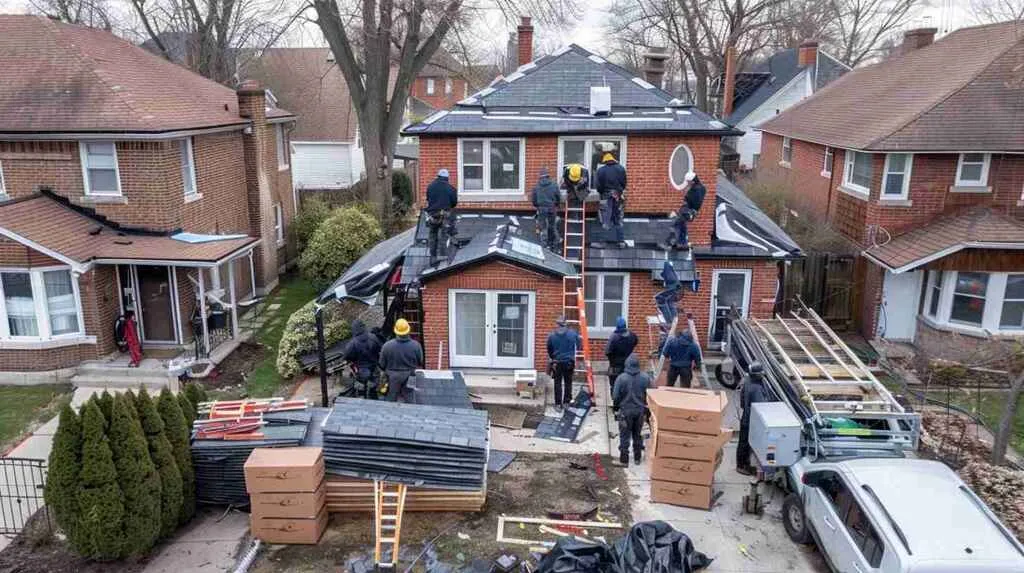
My process for installing a Class A fiberglass roof in Queens is the same process I’d use if it were my own house-because honestly, I treat every job like a medical protocol, not a sticker. We start with an on-site inspection and a fire-risk walkthrough, looking at your roof, attic, chimneys, neighboring buildings, and exposure to grills or fireworks, and I explain what I see in simple terms at your kitchen table. Then we match Queens and NYC code requirements with a tested Class A fiberglass shingle system that fits your specific roof shape, age, and the weird stuff like chimneys in the wrong place or skylights somebody’s cousin added in 1987. We repair and tighten the deck, then install listed fire-resistant underlayment with careful overlaps, especially near chimneys, walls, and skylights. The fiberglass shingles go on per the Class A listing, along with upgraded metal flashings designed to block heat and embers from getting underneath. Finally, we do a fire-focused final walkthrough, pointing out the specific details that turn your roof into a proper Class A “lid” against neighbor grills, fireworks, and attic heat. It’s the difference between a hospital-grade system and a home remedy-and around here, the inspectors at Queens Borough Hall know the difference when they see my name on the permit.
What to Expect With a Class A Fiberglass Roof Install
On-site Inspection & Fire-Risk Walkthrough
We look at your roof, attic, chimneys, neighboring buildings, and grill/firework exposure, and explain what we see in simple terms at your kitchen table.
Code & Manufacturer Match-Up
We pair Queens and NYC code requirements with a tested Class A fiberglass shingle system that fits your specific roof shape and age.
Deck Prep & Underlayment
We repair and tighten the deck, then install listed fire-resistant underlayment with careful overlaps, especially near chimneys, walls, and skylights.
Shingle & Flashing Installation
We install the fiberglass shingles per the Class A listing, along with upgraded metal flashings designed to block heat and embers from getting underneath.
Final Fire-Focused Check
We do a final walkthrough, pointing out the specific details that turn your roof into a proper Class A “lid” against neighbor grills, fireworks, and attic heat.
Common Questions About Fiberglass Shingle Class A Roofs in Queens
Does a Class A fiberglass shingle roof cost a lot more in Queens?
Material costs are modestly higher than some cheap options-we’re talking maybe 15-25% more for the shingles and underlayment-but most of the investment is in doing the system correctly with proper deck prep, compatible materials, and fire-resistant details. When you stack that against a single insurance deductible after a fire spreads from a neighbor’s grill, or the cost of displacement and repairs, the math gets pretty clear. And honestly, I’ve never had a customer tell me they regretted spending an extra $1,500 to protect their family from a fire that started next door.
Can you upgrade my existing fiberglass roof to Class A without a full tear-off?
Sometimes you can improve protection with targeted work-like upgrading flashings around a chimney, adding fire-resistant underlayment in high-risk zones, or replacing mixed shingles in critical areas-but true Class A performance usually requires a compatible, tested system from deck up. I’ll walk your roof, look at what you have, and tell you honestly whether a partial upgrade makes sense or whether you’re better off with a full install. The inspectors at Queens Borough Hall have seen enough of my jobs to know I won’t fake a Class A rating just to close a sale.
How long does a Class A fiberglass shingle installation take on a typical Queens home?
For a typical one- or two-family rowhouse in Astoria, Jackson Heights, or Woodside, we’re usually talking 1-3 days depending on roof size and complexity. If you’ve got a multi-family building, odd skylights, or a shared party wall that requires extra coordination, it can stretch to 4-5 days. Weather and access matter too-some Queens blocks have tight alleys, no driveway, and you’re carrying everything up from the street. I always build in buffer time so we’re not rushing the fire-resistant details just to hit a deadline.
Will this help with my insurance or resale value?
Many insurers and buyers view a modern Class A fiberglass roof as a positive safety upgrade, especially in dense neighborhoods where fire can spread between buildings. Some insurance companies will offer modest discounts or better coverage terms if you can document a proper Class A system, and when you go to sell, having a professionally installed, code-compliant roof with real fire protection is an asset that sets your property apart. I provide full documentation from every install-permits, material certifications, and photos-so you’ve got the paperwork if you need it down the road.
A properly designed Class A fiberglass shingle roof can turn your Queens home from vulnerable to protected, giving you peace of mind that your roof acts like a lid-not a gap-when embers land from a neighbor’s grill or fireworks on the Fourth of July. I’ve been doing this for 19 years with a calm, code-savvy approach that treats every roof like a system, not a sticker, and the inspectors at Queens Borough Hall know my work stands up to scrutiny. If you’re ready to stop worrying about whether your roof can handle the realities of living in Astoria, Jackson Heights, Bayside, or any other Queens neighborhood where houses share walls and side yards, call Shingle Masters and let’s schedule a Queens-specific Class A fiberglass roof inspection or installation-phone’s the best way to reach us, and we’ll walk your roof and explain everything in plain language at your kitchen table.