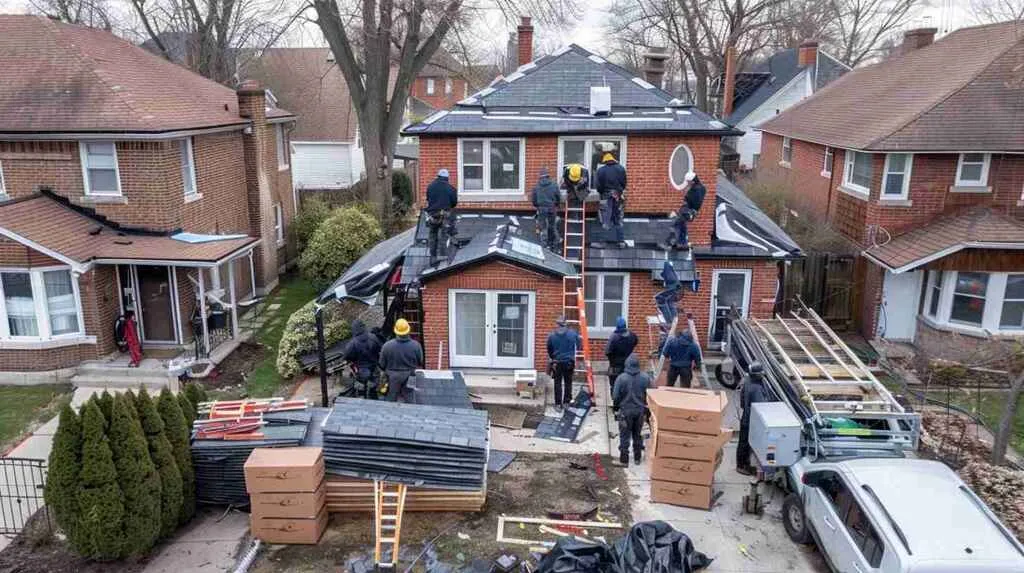
Replace Shingle Roof with Tile Queens NY – What It Really Takes
Blueprint this from the start: I’m Hector Alvarez, and I’ve been roofing in Queens for 19 years-most of that time explaining to homeowners why their dream tile roof costs more than they thought. A real shingle-to-tile replacement that won’t sag, leak, or fail inspection in Queens usually runs $45,000 to $85,000, and the majority of that price isn’t the tile-it’s the structural work underneath that keeps your house from turning into a physics lesson.
What It Really Costs to Replace a Shingle Roof with Tile in Queens
When someone asks me for a number, I always tell them the range first: $45,000 to $85,000 for a typical Queens home, properly engineered and permitted through NYC DOB. That’s not the tile brand driving the cost-it’s the bones. Your roof is the skeleton of your house, and tile weighs three to five times what asphalt shingles do. The real expense is upgrading the spine, the ribs, the load paths so your ceiling doesn’t crack and your walls don’t bow. I’m obsessed with this because I’ve seen what happens when someone skips it, and honestly, it’s not pretty.
One August afternoon in Forest Hills, 3 p.m., 92 degrees and no breeze, a client showed me a Pinterest photo of a red Spanish tile roof and said, “Can you do this over my shingles by next weekend?” I remember literally setting my tape measure on their dining table and sketching out the rafter layout on a napkin to show why that extra weight would bow their ceiling. By the time I was done drawing “roof bones” and “spinal loads,” they understood why we had to reinforce half the frame before we even ordered a single tile. That’s the reality in Queens-permit applications, engineer sign-offs, DOB inspections, and rafter reinforcement eat up time and budget, but they’re what keep your investment from turning into a disaster three winters later.
Shingle-to-Tile Cost Scenarios in Queens, NY
⚠️ Watch Out for Underbidding and “Tile Over Shingles” Shortcuts
If you get a quote under ~$30,000 for a full shingle-to-tile swap on a typical Queens home, you’re probably looking at a contractor who’s planning to cut corners that will cost you later. Here’s what to watch for:
- Leaving old shingles in place: Some guys will lay tile directly over your existing shingles to save time and disposal cost. That traps moisture, hides deck damage, and adds even more dead load to already questionable rafters.
- No mention of engineer or architect sign-off: NYC DOB typically requires a professional engineer’s stamp for major structural alterations like shingle-to-tile conversions. If your contractor isn’t talking about engineering, they’re not planning to pull proper permits.
- No DOB permit or inspection plan: Work done without permits means no city oversight, no code compliance, and serious liability when you try to sell or if damage occurs. You can’t just “ask forgiveness later” with structural roofing work in Queens.
Can Your Queens Roof Structure Actually Handle Tile Weight?
Two numbers I always write down first are roof span and rafter size, because those tell me whether we’re talking about a reinforcement job or a total rebuild. Asphalt shingles weigh around 250-350 pounds per square (100 square feet), while concrete tile runs 800-1,100 pounds and clay barrel tile can hit 1,200 pounds. Most Queens homes were built between 1940 and 1970-small Capes, attached rowhouses, modest colonials-and their rafters were sized for shingles, not tile. In 2018, during that weird early spring snowstorm, we were halfway through tearing off a shingle roof in Bayside to convert it to a concrete tile system. Forecast said “light flurries,” but by 11 a.m. we had sideways snow and a half-open roof. We had to tarp and temporary brace the exposed rafters, and a tile pallet delivery got canceled. That job taught me you never schedule a shingle-to-tile conversion in Queens without a full weather buffer and backup materials, because you don’t get a second chance if moisture hits while the deck’s open-and when the bones are already borderline for the load, weather stress can reveal weaknesses fast.
The uncomfortable truth in Queens is that our older homes were framed like someone buying a sedan, not a pickup truck-you’re trying to haul tile weight in a car built for shingles. Think of your roof structure like your knees: you can change shoes all you want, but if the joint underneath is weak, every extra pound you add shows up as pain somewhere else. When I walk your house for the first time, I’m looking at rafter size (2×6, 2×8, or 2×10?), spacing (16 inches on center or the older 24-inch spacing?), span (how far those rafters have to reach without support), any existing sag in the roofline, and whether I can even access your attic to inspect and reinforce. Older Queens homes are usually borderline for tile without reinforcement-meaning your rafters might technically “hold” the weight on paper, but in real life, over ten winters with snow and ice, you’ll get deflection, ceiling cracks, and eventually failure.
| Roofing Material | Approx. Weight per 100 sq ft | Typical Framing Upgrade in Queens | Risk if Upgrades Are Skipped |
|---|---|---|---|
| Asphalt shingles | 250-350 lbs | None; designed for this load | N/A-this is the baseline |
| Lightweight concrete tile | 600-750 lbs | Sistering 2×8 or 2×10 alongside existing 2×6 rafters; possible ridge beam upgrade | Slow deflection, ceiling cracks, possible rafter failure under snow load |
| Standard concrete tile | 800-1,100 lbs | Full rafter sistering or replacement; engineered ridge and collar tie upgrades; permit required | Ceiling sagging, structural cracks in walls, potential roof collapse in extreme weather |
| Clay barrel tile | 900-1,200 lbs | Complete structural redesign often required; steel beams or LVL lumber; architect/engineer involvement mandatory | Immediate and severe deflection, failed DOB inspection if discovered, major structural damage |
Quick Self-Check: Is Your Queens Roof Even a Candidate for Tile?
START: Is your home framed with rafters you can see from an accessible attic?
YES → Go to next question
NO (trusses, cathedral ceiling, or no attic access) → Probably not a tile candidate without major rebuild
Are your rafters at least 2×8 and spaced 16″ on center or better?
YES → Go to next question
NO (2×6 rafters or 24″ spacing) → Needs serious evaluation and likely major upgrades
Do you see any visible sagging in the roofline or ceiling cracks inside?
NO → Good candidate for engineered reinforcement and tile
YES (visible dips, cracks, past patches) → Needs serious evaluation and likely major upgrades before tile is safe
How a Real Shingle-to-Tile Replacement in Queens Actually Runs
Back in 2019, I stood on a little one-story in Jamaica at 7 a.m., coffee in hand, staring at a dip in the roofline that told me everything I needed to know before I even climbed the ladder. But the real education happened in Astoria a year later-I’ll never forget the retired engineer at the corner of Ditmars and 45th who wanted barrel tile over his 1950s Cape. He’d done his own calculations and told me, at 9:17 a.m. sharp-because he noted the time-that we could “absolutely” skip structural upgrades. I brought a laser level, a moisture meter, and my old architecture textbooks, and we spent two hours on the porch running numbers together. When my deflection estimates matched the hairline ceiling cracks in his hallway, he finally grinned and said, “Alright, Hector, you win-beams first, pretty roof second.” That’s the sequence every shingle-to-tile job follows: you trace the load path from tile down through battens, deck, rafters, ridge, and walls, and you fix the weak link before you add the weight.
When I come to your house and you ask, “Can you replace a shingle roof with tile without rebuilding everything?” here’s the sequence that runs through my head: existing rafter capacity, current deck condition, attic access for reinforcement, local engineer availability, DOB permit timeline, weather window for tear-off, and finally tile selection. And here’s an insider tip from that Bayside snowstorm job: I never schedule a shingle-to-tile tear-off in Queens without a weather buffer and backup tarps and materials staged on-site, because once you open that roof, you’re committed, and if a storm rolls in or your tile delivery gets delayed, you need a plan B that doesn’t involve a soaked attic and ruined ceilings.
Step-by-Step: From Old Shingles to New Tile in Queens, NY
- Initial roof and attic assessment: I walk the roof exterior, check the attic for rafter size/spacing/condition, measure spans, look for existing sag or damage, and photograph everything for the engineering discussion.
- Load calculations and engineer/architect consultation: For most tile conversions in Queens, you’ll need a licensed professional engineer to run the numbers, specify reinforcement details, and stamp the drawings for DOB submittal.
- Permit application with NYC DOB: We submit plans, structural drawings, and contractor info to the Department of Buildings. Approval can take 2-6 weeks depending on complexity and current DOB backlog.
- Tear-off and deck repairs with strict weather plan: Once permitted, we strip the old shingles, inspect and replace any rotted or damaged sheathing, and ensure the roof is watertight each night with tarps or temporary underlayment.
- Structural reinforcement: This is where the real work happens-sistering new lumber alongside existing rafters, installing engineered ridge beams or collar ties, adding metal tie-downs or bracing per the engineer’s specs.
- Underlayment and flashing system for tile: Tile roofs need upgraded underlayment (often synthetic or rubberized) and metal flashings at valleys, eaves, and penetrations that are designed for the tile profile and weight.
- Tile installation, inspections, and final walkthrough: We install battens, hang tile per manufacturer specs, coordinate DOB rough and final inspections, and walk you through maintenance and warranty details before we’re done.
Typical Timeline and Logistics for Queens Shingle-to-Tile Jobs
Design & Permits
2-6 weeks depending on NYC DOB workload and whether you need architect involvement
On-Roof Work
Usually 7-14 working days for a typical Queens home, weather permitting
Ideal Seasons
Late spring through early fall to avoid tarping in snow or freezing rain
Crew Size
Usually 4-7 roofers plus occasional engineer or DOB inspector visits
Tile vs. High-End Shingles: Which Makes Sense for Your Queens Home?
The uncomfortable truth in Queens is that our older homes were framed like someone buying a sedan, not a pickup truck-you’re trying to haul tile weight in a car built for shingles. And here’s the thing: sometimes the smartest move isn’t forcing tile onto weak bones but upgrading to premium architectural shingles with better underlayment and longer warranty instead. High-end shingles like CertainTeed Landmark or GAF Timberline HDZ cost a fraction of what tile does, they weigh the same as your old roof so no structural work is needed, and they still give you 25-30 years of life with good wind and impact ratings. For a lot of Queens homes-especially smaller ranches, Capes, and rowhouses-that’s the play that makes financial sense and doesn’t require an engineer, permits, or a two-month project timeline.
Think of your roof structure like your knees: you can change shoes all you want, but if the joint underneath is weak, every extra pound you add shows up as pain somewhere else. When I’m standing in your attic and I see 2×6 rafters at 24 inches on center with a 16-foot span and no ridge support, I’ll tell you straight: you can have tile if you want it, but we’re rebuilding half the roof frame to get there, and you need to decide whether that’s worth it versus putting a killer shingle system on the bones you already have. My personal opinion? If your house has the frame for it and you’re planning to stay 15+ years, tile is beautiful and it’ll outlast you. But if your rafters are borderline and your budget is tight, I’d rather see you invest in premium shingles, solid underlayment, and perfect flashing than gamble on tile without proper reinforcement.
| Option | Pros | Cons |
|---|---|---|
| Tile Roof (concrete/clay) |
|
|
| Premium Architectural Shingles |
|
|
Common Myths About Replacing Shingle Roofs with Tile in Queens
| Myth | Fact |
|---|---|
| You can just put tile over existing shingles to save time and money | This traps moisture, hides deck damage, adds even more weight to questionable rafters, and violates code in most cases. Always tear off first. |
| Tile always lasts forever no matter the structure underneath | Tile itself can last 50-100 years, but if your rafters deflect or fail under the weight, you’ll have cracked tiles, broken battens, and leaks within a few seasons. |
| DOB doesn’t care as long as it looks good from the street | NYC Department of Buildings absolutely cares about structural changes. Unpermitted tile conversions can result in fines, forced tear-offs, and liability issues when you sell. |
| Lightweight tile means you never need structural work | Even “lightweight” concrete tile is 2-3× heavier than asphalt shingles. Most Queens homes still need at least some rafter reinforcement for lightweight tile. |
| Tile is always better for resale in Queens | Tile boosts curb appeal, but if the work wasn’t permitted or the structure is inadequate, a home inspector will flag it and it can actually hurt your sale or appraisal. |
Before You Call About Tile, Check These 5 Things on Your Queens Home
Let me be blunt: if your contractor says, “We’ll just put tile where the shingles were,” you should start worrying, because tile versus shingle is really a structural question about the bones of your house, not just tile color or brand. $50,000 sounds crazy for a roof until you remember you’re rebuilding the joints of your house, not just changing the color on top. Before you pick up the phone or start getting estimates, do yourself a favor and spend 20 minutes checking a few things so you can have a real conversation about what’s actually possible on your home.
Self-Inspection Checklist for Queens Homeowners Considering Tile
- Look along the roofline from across the street for dips or waves. Stand back about 50 feet and scan the ridgeline and eaves. Any sag or dip means the rafters are already stressed, and adding tile will make it worse.
- Check interior ceilings for cracks or recent patches, especially along hallways. Hairline cracks running parallel to the roof framing are a sign of deflection or movement-red flag for heavy tile.
- Peek in the attic for rafter size, spacing, and any past sistering or bracing. If you can access your attic, measure a rafter (2×6? 2×8? 2×10?) and see how far apart they are (16″ or 24″ on center). Look for any previous reinforcement work.
- Gather any past roofing, engineering paperwork, or DOB filings. If you have records from previous roof work, permits, or inspections, bring them when we meet. They can save time and money in the evaluation phase.
- List the exact look you want (style, color) so we can weigh it against what your roof bones can handle. Bring photos, samples, or addresses of tile roofs you like. I’ll tell you which ones are realistic for your structure and budget.
Common Questions About Shingle-to-Tile Roof Replacements in Queens, NY
Can you replace a shingle roof with tile on any Queens house?
Technically yes, but practically no. Most Queens homes need significant structural reinforcement to safely carry tile weight. Homes with 2×6 rafters at 24″ spacing, long spans, or existing sag are poor candidates without major upgrades. A structural engineer can tell you for sure, but expect to invest in the bones before the beauty.
Do I always need an engineer or architect sign-off?
For most shingle-to-tile conversions in Queens, yes. NYC DOB typically requires a licensed professional engineer’s stamp on the structural drawings and load calculations when you’re making a major alteration to the roof system. Skipping this step means no permit, no inspection, and serious liability if something fails or when you try to sell.
What happens if DOB or an inspector says my framing isn’t strong enough?
Then we reinforce it before we install tile-sistering rafters, adding ridge beams, installing collar ties or bracing per the engineer’s specs. If the cost or scope of reinforcement is beyond your budget, we pivot to a premium shingle system instead. Either way, we don’t install tile on a roof that can’t handle it, period.
Can you phase the work-structure first, tile later-to spread cost out?
Sometimes, yes. We can reinforce the framing, install high-quality underlayment and a temporary shingle cap, then come back later to finish with tile once you’ve saved more. Not every roof configuration allows this, and it depends on DOB permit sequencing, but it’s worth asking about if budget is tight.
Why Queens Homeowners Call Shingle Masters for Tile Conversions
- Licensed & insured in NYC with full DOB compliance and job-site safety protocols
- 19+ years roofing in Queens neighborhoods like Jackson Heights, Astoria, Bayside, Forest Hills, and Jamaica
- Specialized in complex shingle-to-tile structural upgrades with engineer coordination and realistic budgeting
- Full coordination with NYC DOB, engineers, and inspectors from initial plans to final sign-off
So yeah, you can replace a shingle roof with tile in Queens-but only if you do it right, with real structural analysis, proper permits, and a crew that understands the bones of your house matter more than the color of the tile. I’ve been doing this for 19 years, and I’d rather talk you out of tile and into a great shingle system than watch you spend $50,000 on a roof that sags in five years because someone skipped the engineering.
If you’re serious about tile, call Shingle Masters and let’s walk your roof and attic together. I’ll tell you what your house can handle, what it’ll really cost, and whether tile makes sense for your structure and your budget-or whether we should be talking about premium shingles instead.